
Pressure doesn’t break your performance—your mindset does. This guide is built for competitors who know that skill alone isn’t enough when the stakes are high. Whether you’re gaming, competing in sports, or performing professionally, stress and self-doubt can sabotage even the most prepared individual. The solution isn’t motivation—it’s training. Here, you’ll find practical, evidence-based mental toughness drills designed to build resilience the same way you build strength in the gym. These are the same proven techniques used by elite performers to stay composed and execute under pressure. If you want real control in critical moments, your training starts now.
The Foundation: Understanding Your Mental Armor
First, let’s clear something up. Resilience isn’t about suppressing emotions or pretending nothing bothers you. It’s not “just push through it” energy. And it’s definitely not being cold or robotic (despite what action movies suggest).
So what is it? Resilience is the measurable ability to maintain high cognitive and emotional function during intense stress. In simple terms, it’s thinking clearly and regulating emotions when the pressure spikes. Psychologists often link this to emotional regulation—the skill of managing reactions rather than being controlled by them (American Psychological Association).
Think of it like a video game stamina bar. Every distraction, setback, or negative thought drains your focus meter. When it hits zero, decision-making suffers. However, mental toughness drills help expand that maximum capacity and speed up recovery.
Some argue resilience is purely innate—you either have it or you don’t. Research disagrees. Studies show stress-adaptation skills can be trained over time (Harvard Health Publishing). In other words, you can level up.
Level Up Your Mind: Cognitive Drills for Peak Performance
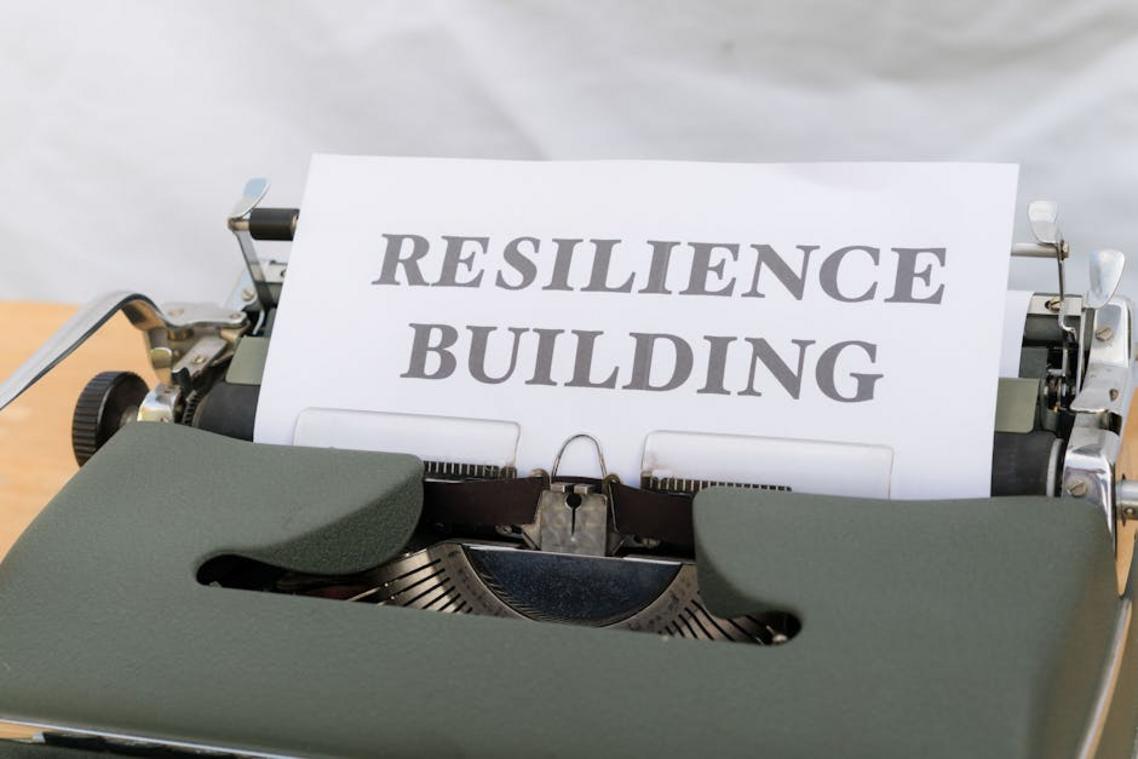
Peak performance isn’t just about faster reflexes or better mechanics. It’s about training the command center—your brain. Think of your mind like a high-end gaming PC: powerful, yes, but only if you optimize it. If you don’t, even the best hardware lags (and nobody likes lag at a critical moment).
Some people argue cognitive training is overrated. “Just practice your craft,” they say. And they’re partly right—skill repetition matters. But research from the American Psychological Association shows that deliberate mental conditioning improves focus, stress regulation, and decision-making under pressure (APA, 2020). In high-stakes environments, that edge compounds.
So here’s what I recommend.
1. Train Focus Like a Muscle
Sustained attention is a skill, not a personality trait.
Try this:
- Set a 20-minute timer.
- Remove all distractions.
- Focus on one complex task.
- Take a 5-minute recovery break.
Repeat 3–4 cycles.
This method mirrors “ultradian rhythm” productivity cycles, which research suggests align with natural cognitive peaks (Harvard Business Review, 2015). Pro tip: Track how often your attention drifts. Awareness alone improves control.
2. Practice Pressure Simulation
You don’t rise to the occasion—you fall to your training.
Create artificial stress:
- Add time limits.
- Compete publicly.
- Introduce small consequences for mistakes.
The Yerkes-Dodson Law shows performance increases with arousal—up to a point (Yerkes & Dodson, 1908). The goal isn’t panic. It’s controlled intensity. Like a final boss battle, but with strategy instead of button mashing.
3. Build Recovery Into Your Routine
Counterargument: “Grinding nonstop builds toughness.”
Actually, cognitive fatigue reduces reaction time and decision accuracy (Journal of Applied Physiology, 2016). Recovery isn’t weakness—it’s optimization.
Use:
- 7–9 hours of sleep
- Short mindfulness resets
- Light physical movement between sessions
Recovery sharpens execution.
4. Integrate mental toughness drills
Resilience separates consistent performers from streaky ones.
Here’s a simple framework:
- Visualize worst-case scenarios.
- Plan your response in advance.
- Rehearse staying calm.
Visualization activates similar neural pathways as real performance (Cleveland Clinic, 2022). When adversity hits, your brain says, “We’ve been here before.” That familiarity reduces panic and improves clarity.
5. Train Decision Speed
Fast decisions aren’t rushed—they’re pre-loaded.
Run rapid-choice exercises where you must decide within 3 seconds. Review outcomes afterward. Over time, you’ll build pattern recognition, a hallmark of elite performers (MIT Sloan, 2018).
Some critics claim instinct can’t be trained. Neuroscience disagrees. Instinct is often compressed experience.
If you want peak performance, don’t just practice harder. Practice smarter. Build focus. Simulate pressure. Protect recovery. Strengthen resilience. Accelerate decisions.
Because at the highest levels, talent is common.
Cognitive control is not.
Mastering Momentum: Emotional Regulation Techniques
Momentum isn’t magic. It’s emotional regulation in disguise.
Most players think momentum is about hype—chest bumps, highlight reels, and riding adrenaline like it’s the final scene in a sports movie. However, the truth is less glamorous. Momentum is controlled emotion stacked over time. Define emotional regulation as the ability to manage your internal reactions so they don’t sabotage performance. In other words, you stay steady when others spiral.
Here’s the contrarian take: “Fired up” is overrated. Yes, intensity feels powerful. But over-arousal narrows decision-making and increases mistakes (see the Yerkes-Dodson Law, APA Dictionary of Psychology). In fast-paced matches or clutch athletic moments, calm beats chaos.
So what works instead?
First, pattern interrupts. After a mistake, take one slow breath in for four counts, hold for four, release for six. This resets your nervous system (Harvard Health Publishing notes slow breathing reduces stress response). Second, neutral self-talk. Not hype. Not criticism. Just facts: “Reset. Next play.” (Simple beats dramatic every time.)
Meanwhile, build consistency off the field. That’s where mental toughness drills come in. Simulate pressure: timed challenges, distraction training, or practicing after mild fatigue. The goal isn’t to feel great—it’s to perform steady.
Some argue emotion fuels peak performance. And sure, passion matters. But unmanaged emotion creates volatility. Volatility breaks momentum.
Pro tip: Track emotional dips the same way you track stats. If frustration spikes after small errors, that’s your real opponent.
Ultimately, mastering momentum isn’t about getting louder. It’s about getting steadier. Control the emotional tempo, and the game usually follows.
Integrating Mental Strength Into Your Daily Routine
You came here to build resilience—and now you have five powerful exercises to do it. mental toughness drills only work when practiced consistently. Don’t let stress or inconsistency hold you back. Choose one drill and commit five minutes daily for a week. Join thousands sharpening their edge—start today.