If you’re searching for clear answers about nutrition timing for athletes, you’re likely trying to figure out one thing: when to eat for peak performance. With so much conflicting advice around pre-workout meals, post-game recovery, and fueling during competition, it’s easy to feel unsure about what actually works.
This article breaks down the science and strategy behind timing your meals to support strength, endurance, recovery, and overall performance. You’ll learn when to fuel before training, how to replenish effectively afterward, and how small timing adjustments can translate into measurable gains on the field or in competition.
Our insights are grounded in established sports nutrition research and performance data used by competitive athletes and coaches. Instead of trends or guesswork, you’ll get practical, evidence-based guidance you can apply immediately to optimize energy levels, reduce fatigue, and improve consistency in your training and results.
Fueling Victory: Why When You Eat Matters as Much as What You Eat
You train hard, eat clean, and still fade in the fourth quarter. Frustrating, right? I believe the culprit is timing. Nutrient timing means aligning meals with training demands (think syncing your playlist before a match). Research shows glycogen replenishment is highest within 30–60 minutes post-exercise (Ivy, 2004). Fair—but in my experience, ignoring timing is like showing up to a boss fight under-leveled. This guide breaks down actionable pre-, intra-, and post-workout strategies, including nutrition timing for athletes, to boost energy and recovery. Pro tip: set fuel alarms.
The Core Principles: How Nutrient Timing Impacts Your Body
Energy Availability starts with carbohydrates. When you eat carbs, your body stores them as glycogen (stored glucose) in your muscles and liver. Think of glycogen as a rechargeable battery pack for high-intensity efforts. Sprint intervals, heavy lifts, overtime in a tournament—these all drain the tank fast. Properly timed intake helps keep those reserves topped off. That said, scientists still debate how precise timing must be; total daily carb intake may matter just as much for many athletes (Journal of the International Society of Sports Nutrition, 2017).
Muscle Protein Synthesis (MPS) is the repair-and-build process triggered after training. Protein provides amino acids, especially leucine, that flip the “on” switch for muscle repair. Eating protein after workouts supports this process, though research suggests the opportunity lasts several hours—not just minutes.
The “Anabolic Window” Myth vs. Reality
The old idea? You have 30 minutes or you lose your gains. Reality? The window is wider. Glycogen replenishment and MPS remain elevated for hours post-exercise.
• Immediate intake helps if you trained fasted.
• If you ate pre-workout, urgency drops.
Hormonal Response matters too. Insulin helps shuttle glucose and amino acids into muscle cells. Strategic nutrition timing for athletes can enhance this effect—though individual responses vary more than headlines suggest.
Priming the Engine: Your Pre-Workout Fueling Blueprint
The goal is simple: top off glycogen stores and stabilize blood sugar so you don’t fade halfway through your session. Glycogen (stored carbohydrate in your muscles) is your high-performance fuel tank. When it runs low, so does your output.
Some athletes argue fasted training boosts fat burn. That can work for light sessions. But for high-intensity lifts, long practices, or competition, fueled vs. fasted is a different story—like playing on full battery vs. power-saving mode.
2–4 Hours Before: The Foundation Meal
Think steady energy, not a food coma.
Option A: Oatmeal + banana + egg whites
Option B: Brown rice + grilled chicken + zucchini
Option C: Sweet potato + baked salmon + spinach
Complex carbs (oats, rice, potatoes) digest steadily. Moderate lean protein supports muscle repair. Keep fat and heavy fiber lower to avoid digestive distress (no one PRs while bloated).
30–60 Minutes Before: The Quick Spark
Now it’s about fast fuel.
Option A: Banana
Option B: Energy gel
Option C: Small bowl of white rice
Option D: Applesauce pouch
Simple carbohydrates digest quickly, raising blood glucose right when you need it. This is where nutrition timing for athletes can make the difference between finishing strong and fading early.
Hydration Is Non-Negotiable
Drink 16–20 oz of water about two hours before training. Dehydration of just 2% body weight can impair performance (American College of Sports Medicine).
Pro tip: Check urine color—pale yellow means you’re ready. Darker? Drink up.
Fuel smart, hydrate early, and start strong.
Sustaining Power: Fueling During Long-Duration Efforts
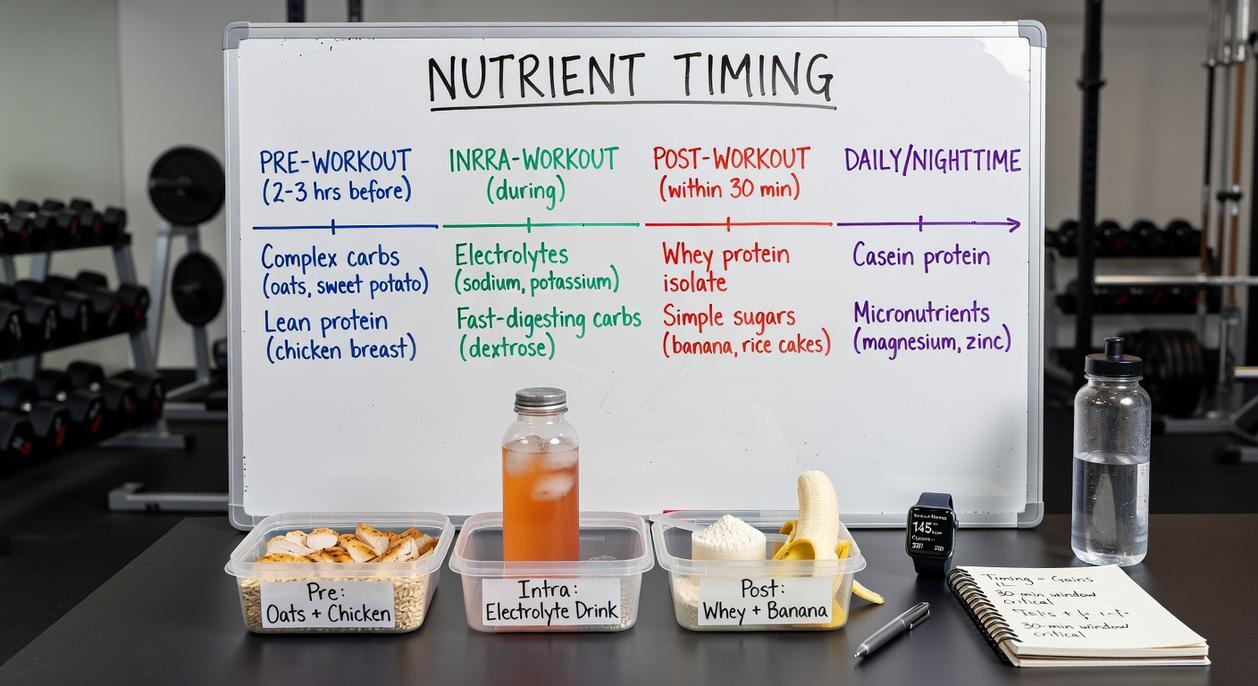
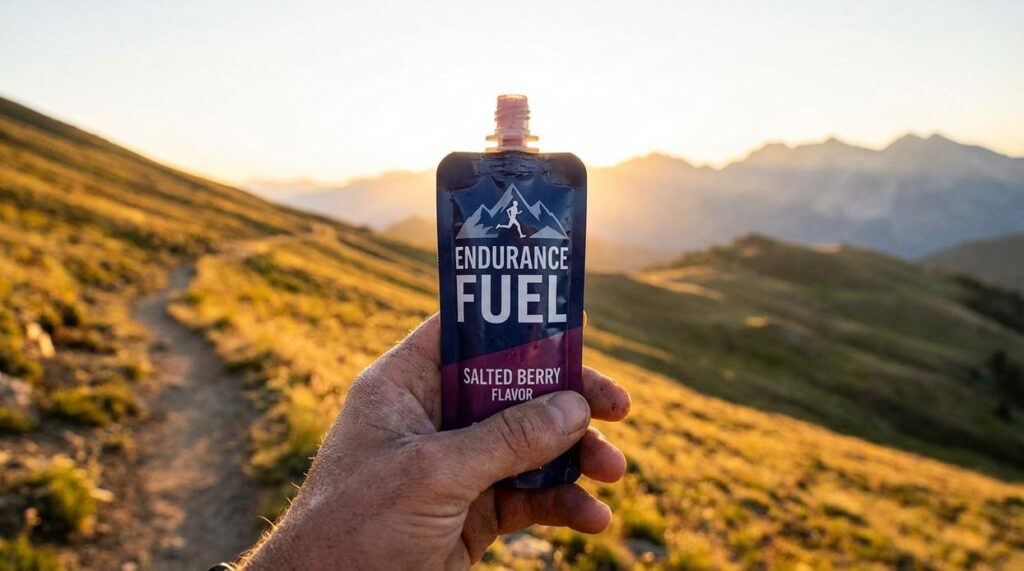
When efforts stretch past 75–90 minutes, intra-workout fueling shifts from optional to essential. At that point, muscle glycogen—your stored carbohydrate fuel—drops sharply, and performance fades (the dreaded late-race “bonk”). Research shows consuming 30–60 grams of fast-acting carbohydrates per hour preserves output and delays fatigue (Jeukendrup, 2014). In marathon majors like Chicago or high-altitude trail races in Colorado, this isn’t theory—it’s survival.
Focus on sports drinks, gels, or chews designed for rapid absorption. Whole foods like bananas or dates can work if tolerated (pro tip: test them in training, not race day). This is where nutrition timing for athletes becomes strategic, not casual snacking.
Electrolytes—especially sodium—matter just as much. Heavy sweaters can lose 500–1,500 mg per hour (ACSM). Without replacement, cramps and impaired neuromuscular firing follow.
Skeptics argue real food alone is enough. Sometimes, yes. But during peak efforts, convenience and absorption speed win. For the mindset to execute under fatigue, review mental toughness drills used by elite athletes.
The 3 R’s of Recovery: Refuel, Rebuild, and Rehydrate
Refuel Glycogen Stores
After intense training, your body enters a prime recovery window where it rapidly absorbs nutrients to restore glycogen (stored carbohydrates in your muscles used for energy). Research shows glycogen synthesis rates are highest within the first few hours post-exercise (Ivy, 2004). That means faster energy restoration and less next-day fatigue. For athletes, this is where nutrition timing for athletes becomes a competitive edge. Refueling quickly helps you train harder tomorrow—not just feel better today.
Rebuild Muscle Tissue
Training creates microscopic muscle damage (that soreness you feel isn’t random). To repair and grow stronger, aim for 20–40 grams of high-quality protein after workouts (Jäger et al., 2017). This supports muscle protein synthesis, the process that rebuilds fibers thicker and more resilient. The benefit? Greater strength gains, improved performance, and reduced injury risk.
The Optimal Carb-to-Protein Ratio
A 3:1 or 4:1 carbohydrate-to-protein ratio is commonly recommended to maximize glycogen replenishment and muscle repair. Carbs refuel; protein rebuilds. Together, they accelerate recovery (like a pit crew servicing both engine and tires at once).
Actionable Recovery Options:
- Chocolate milk
- Smoothie with fruit + protein powder
- Greek yogurt, berries, and honey
- Turkey sandwich on whole-grain bread
Recover smarter, and every workout compounds into real progress.
Creating Your Personalized Timing Strategy
Mastering nutrient timing is the difference between training sessions and podium-level results. In practice, nutrition timing for athletes works like a playbook at altitude camps in Colorado Springs or during two-a-days in preseason camp. The pre-, intra-, and post-workout framework is your universal template. Some argue total daily intake matters more, and they’re right to a point (macros rule). But dialing in timing sharpens recovery windows and energy availability when competition heats up.
Test these strategies in practice, never on game day. Track how your gut responds, adjust, then apply them consistently to compound gains
Level Up Your Competitive Edge
You came here looking for an edge—clear strategies to sharpen your gameplay, improve performance, and make smarter decisions in high-pressure moments. Now you understand how momentum shifts outcomes, how preparation fuels consistency, and how nutrition timing for athletes can directly impact focus, reaction speed, and endurance.
The real pain point isn’t effort—it’s inefficiency. Training hard without the right structure, recovery plan, or tactical awareness keeps you stuck at the same level. Small missteps in preparation, gear optimization, or in-game adjustments can cost you wins.
Here’s your next move: apply one strategy from this guide in your next session, tighten your routine, and track the results. Then dive deeper into our advanced breakdowns and performance insights trusted by competitive players who refuse to settle for average.
If you’re ready to stop guessing and start dominating, explore more performance-driven strategies now and turn every match into measurable progress.