If you’re searching for smarter ways to level up your game, refine your strategy, or maximize results from professional athlete offseason training, you’re in the right place. Serious competitors know that marginal gains—whether in reaction time, tactical awareness, conditioning, or gear optimization—separate average performances from standout ones.
This article is built to give you exactly what you’re looking for: practical, performance-driven insights you can apply immediately. We break down advanced game strategies, proven training methodologies, and competition-tested tactics that translate directly to better results on the field, court, or screen.
Every recommendation is grounded in performance analysis, current athletic research, and real competitive frameworks used by high-level players. Instead of vague advice, you’ll find structured guidance designed to sharpen decision-making, enhance physical output, and optimize your setup for measurable improvement.
If your goal is consistent performance gains—not guesswork—you’ll find actionable direction here.
Most athletes treat the off-season like a vacation. However, that mindset quietly sabotages progress. True growth begins when the spotlight fades. Instead of endless scrimmages, start with recovery audits: mobility screens, sleep tracking, and honest performance reviews. Next, build strength in deliberate phases, layering power after stability. This is professional athlete offseason training done right. Critics argue rest alone prevents burnout; yet strategic stress, applied gradually, builds resilience. Then integrate skill under fatigue to mirror competition. Finally, rehearse pressure mentally through visualization and film study. In short, structure transforms downtime into dominance. Discipline now creates freedom later. Every rep matters.
Phase 1 centers on active recovery and decompression, giving your body and mind the reset they have earned. After a grueling season, this three-week window helps heal nagging injuries and restore motivation before intensity ramps up again. In other words, you are investing in longevity, not losing momentum.
First, prioritize low-impact modalities such as swimming, cycling, or hiking. These activities maintain aerobic capacity without pounding your joints. At the same time, add mobility sessions through yoga or dynamic stretching. Mobility—your usable range of motion—improves movement efficiency and reduces injury risk. This mirrors professional athlete offseason training, where restoration is programmed, not passive.
Meanwhile, shift toward an anti-inflammatory diet, meaning whole, minimally processed foods rich in omega-3s, antioxidants, and phytonutrients. Think salmon, berries, leafy greens, nuts, and plenty of water. The payoff? Faster tissue repair, steadier energy, and replenished micronutrients.
Finally, schedule hobbies unrelated to your sport. Psychological detachment—mentally stepping away—reduces burnout and sharpens focus when training resumes. Pro tip: treat rest like practice by blocking it on your calendar. The result is a stronger, fresher, more resilient return to competition. Because recovery done well today compounds into higher performance, fewer setbacks, and sustained competitive growth for the long season ahead.
Phase 2: Building the Foundation – General Physical Preparedness (Weeks 4-7)
Primary Goal: Rebuild a powerful and resilient athletic base. This phase is about capacity, not flash. Think of it as the training montage in Rocky—less spotlight, more sweat. The focus stays on overall strength and aerobic development, not sport-specific skills (that comes later).
Strength Regimen
Your program should revolve around compound movements—multi-joint exercises that recruit large muscle groups at once. Prioritize:
- Squats
- Deadlifts
- Overhead presses
These lifts build hypertrophy (muscle growth) and structural durability. Aim for 3–4 sets of 8–12 repetitions. This rep range balances mechanical tension and metabolic stress—two primary drivers of muscle development (Schoenfeld, 2010).
Some argue heavier, lower-rep lifting builds “real” strength faster. That’s partly true. But during this phase, joint resilience and tissue tolerance matter more than max numbers. You’re building armor, not chasing one-rep PRs.
This mirrors professional athlete offseason training: high volume, controlled intensity, and deliberate progression.
Pro tip: If your last two reps don’t feel challenging, increase load slightly next session—progressive overload fuels adaptation.
Conditioning Protocol
Introduce moderate-intensity interval training to enhance aerobic power—your ability to sustain high output without crashing (no “blue screen of death” moments mid-session).
Examples include:
- Sled pushes
- Battle ropes
- Track repeats
Intervals build cardiovascular efficiency while reinforcing movement quality. Critics may prefer steady-state cardio, but intervals better mimic competitive energy demands.
Gear Optimization
High-volume lifting stresses feet and ankles. Ensure footwear offers stability and proper support to reduce injury risk. This is foundation work—literally and figuratively.
Phase 3: Sport-Specific Power and Skill Integration (Weeks 8–11)
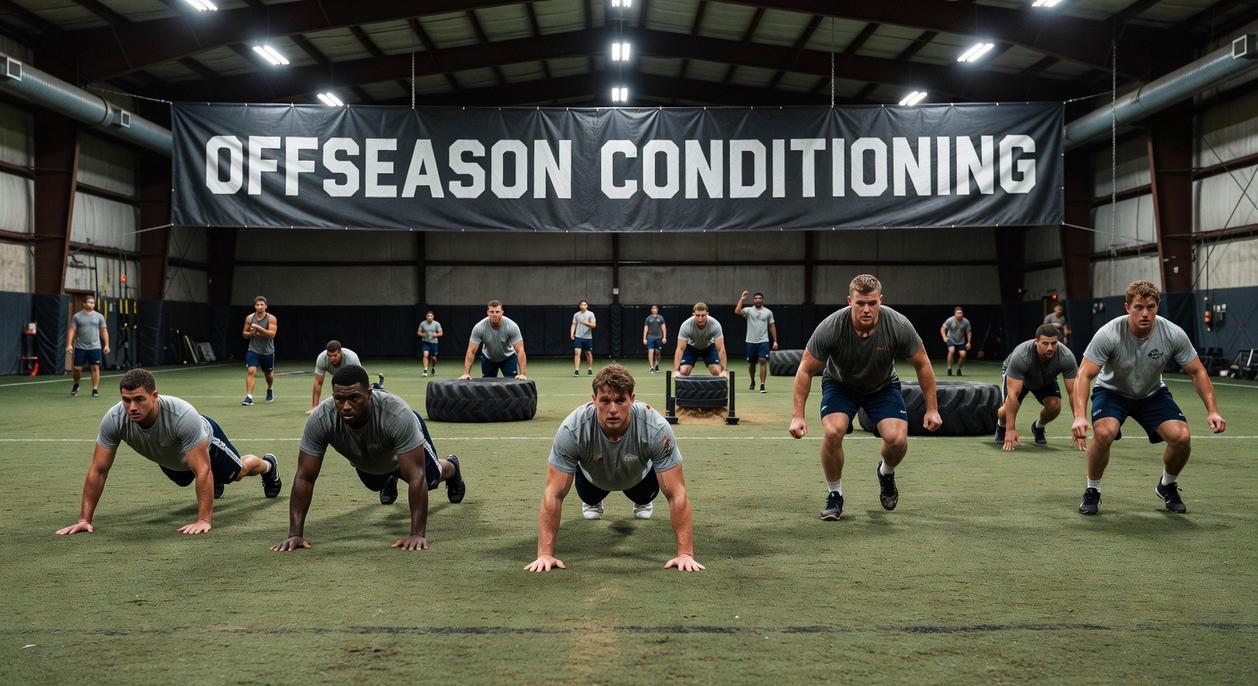
Primary Goal: Convert foundational strength into explosive, sport-specific power while re-introducing technical precision.
By Weeks 8–11, the objective shifts from building raw strength to expressing it quickly. In performance science, this is called rate of force development (RFD)—how fast you can generate force (and in most sports, faster wins). Think of the difference between a heavy squat and a lightning-quick first step off the line.
Power Development
This is where plyometrics—box jumps, depth jumps, medicine ball rotational throws—enter the picture. Olympic lifts like power cleans and snatches train triple extension (hips, knees, ankles firing together), a cornerstone of sprinting and jumping.
Some coaches argue Olympic lifts are too technical or risky. They prefer machines or simpler movements. That’s a fair concern. Poor form under fatigue is a problem. But when coached correctly, these lifts build coordination and explosive intent in ways machines simply can’t replicate (a leg press won’t teach you to move like a wide receiver cutting at full speed).
Pro tip: Keep reps low and intent high. Power fades when fatigue creeps in.
Skill Refinement
Reintroduce light, non-contact drills emphasizing flawless mechanics. Break down high-pressure “Momentum Moments” into repeatable skill components—foot placement, hand positioning, visual tracking. This mirrors professional athlete offseason training, where intensity ramps gradually while technique remains king.
Tactical Analysis
Use film study to connect physical gains to on-field advantage. Faster hip rotation improves bat speed. Greater RFD sharpens defensive recovery steps. If you want to understand the mental side of preparation, explore how coaches build championship mindsets.
Strength built the engine. Now you’re tuning it for race day.
Phase 4: Pre-Season Ramp-Up and Performance Tuning (Weeks 12+)
By Week 12, the foundation is built. Now the focus shifts to readiness under pressure. Training volume tapers, but intensity spikes—mirroring what happens in professional athlete offseason training when camps are just weeks away.
After three months of structured buildup, your body should feel sharp, not drained. Every drill now must reflect real game speed.
• High-intensity, sport-specific reps that mimic live scenarios
• Reaction-time and agility work performed under controlled fatigue
• Decision-making drills where split seconds matter
Some argue tapering risks losing conditioning. In reality, strategic reduction prevents burnout while preserving explosiveness (a common approach in elite performance cycles).
Scrimmages and simulated competition test instinct and stamina. Fine-tune nutrition and recovery now—sleep, hydration, timing—so when training camp opens, you’re not just prepared. You’re primed.
An unstructured break feels relaxing, but it often creates rust; a phased plan builds results. In contrast to frantic preseason cram sessions, this system restores first, then rebuilds. Think of it as professional athlete offseason training applied to your grind. First, active recovery resets the body and mind. Next, strength and speed layers stack durable power. Ultimately, strategy beats chaos (and fewer ice baths help). The payoff is resilient performance when competition returns each season.
Take Your Competitive Edge to the Next Level
You came here looking for smarter ways to sharpen your skills, gain an advantage, and train with purpose. Now you have the framework to do exactly that.
Whether you’re refining mechanics, optimizing your gear, or structuring professional athlete offseason training, the difference between average and elite comes down to intentional strategy. Most competitors stay stuck because they train without a system. You now understand how to break down performance, adjust with precision, and build momentum that compounds over time.
But insight alone won’t elevate your game — execution will.
If you’re tired of plateauing, second-guessing your setup, or falling behind better-prepared opponents, it’s time to act. Get access to proven strategy breakdowns, performance insights, and optimization tactics trusted by serious competitors who refuse to settle.
Start implementing these strategies today and take control of your competitive growth. Your next level isn’t luck — it’s preparation. Step into it now.