
If you’re looking to gain a competitive edge—whether in traditional sports or high-level gaming—you need more than surface-level advice. You need clear strategy, performance insights, and practical techniques that actually improve results.
This article is designed to break down the key elements that elevate performance: smarter decision-making, refined mechanics, optimized preparation, and the often-overlooked importance of sports gear maintenance tips that protect your investment and enhance consistency. From momentum-shifting tactics to detailed strategy analysis, we focus on actionable insights you can apply immediately.
Our approach is grounded in competitive analysis, performance research, and real-world application. We study evolving play styles, training methodologies, and equipment optimization trends to ensure every recommendation is relevant and effective.
If your goal is to sharpen your skills, maximize efficiency, and stay ahead of the competition, you’re in the right place. Let’s break down what actually works—and why.
Unlock Peak Performance: Why Your Gear’s Condition is Your Secret Weapon
Nothing stings like a snapped string or dead controller mid‑match. I’ve been there—and lost because of it. That was the wake‑up call.
Poor maintenance doesn’t just cause breakdowns; it quietly erodes speed, grip, and safety (yes, even that “minor” crack). I once ignored routine checks and paid double replacing gear I could’ve saved.
This guide shares the same sports gear maintenance tips competitive athletes use: clean after every session, store in climate‑safe spaces, and inspect before game day.
Do it consistently, and your equipment won’t just last longer—it’ll perform when it matters most.
The Post-Game Reset: Essential Cleaning Protocols for Longevity
THE GOLDEN RULE: NEVER LEAVE GEAR IN YOUR BAG OVERNIGHT
Sweat isn’t just moisture—it’s a cocktail of salt, bacteria, and body oils that quietly eats away at fabric, foam, and stitching. Leave gear crumpled in a dark bag and you’ve basically created a science experiment (and not the fun kind). Over time, trapped moisture breaks down elasticity, weakens padding, and causes odors that refuse to quit. Want your equipment to last? Air it out immediately. Always.
Cleaning by Material Type
Synthetics & Pads (Jerseys, Guards)
- Wash in COLD water. Heat degrades elasticity and protective foam.
- Use a gentle cycle with mild detergent.
- AIR-DRY only—high heat can warp padding.
Pro tip: Turn jerseys inside out to protect logos and stitching.
Leather Goods (Gloves, Balls)
- Wipe down with a slightly damp cloth after every use.
- Apply leather conditioner monthly to prevent cracking.
- Never soak in water—saturation stiffens and weakens fibers.
Footwear (Cleats, Court Shoes)
- Knock off mud immediately; use a soft brush for dried debris.
- Remove insoles and sprinkle baking soda to de-salt and deodorize.
- Stuff with newspaper to absorb moisture and maintain structure.
Disinfection is NON-NEGOTIABLE
Bacteria cause odor—and sometimes skin infections like athlete’s foot (CDC). Use specialized sports sprays or a diluted white vinegar solution (1:1 with water). Lightly mist, then air-dry fully.
Think of this as part of your performance routine—would you skip recovery day?
Follow these sports gear maintenance tips consistently, and your equipment won’t just survive the season—it’ll thrive.
Strategic Storage: Preventing Damage Before It Happens
Every piece of gear has three natural enemies: direct sunlight, extreme temperatures, and humidity. UV rays break down materials over time (yes, even that “indestructible” polymer water bottle). Heat and cold cause warping, cracking, or weakened adhesives. Humidity invites mold on fabrics and rust on metal components. Left unchecked, these forces quietly shorten your gear’s lifespan.
The ideal storage space is simple: cool, dry, and well-ventilated. Think of it like recovery for your equipment. If athletes perform best in controlled conditions, so does their gear.
Here’s how to make that happen:
- Ventilated Gear Bags: Choose mesh-paneled or airflow-designed bags over sealed duffels. Trapped moisture lingers in standard bags, accelerating odor and material breakdown.
- DIY Drying Racks: Install wall hooks or use a simple metal rack. Hang pads, gloves, or jerseys separately so air circulates fully. (If it still smells damp, it’s not done drying.)
- Off-Season Storage: Clean everything first. Slightly deflate balls to relieve seam pressure. Stuff shoes with paper to maintain shape. Store items off the floor in breathable containers.
Pro tip: Toss a small silica pack into storage bins to absorb excess moisture.
Follow these sports gear maintenance tips consistently, and your equipment will stay game-ready long before the next season kicks off.
The Pre-Use Inspection: Your 5-Minute Safety and Performance Check
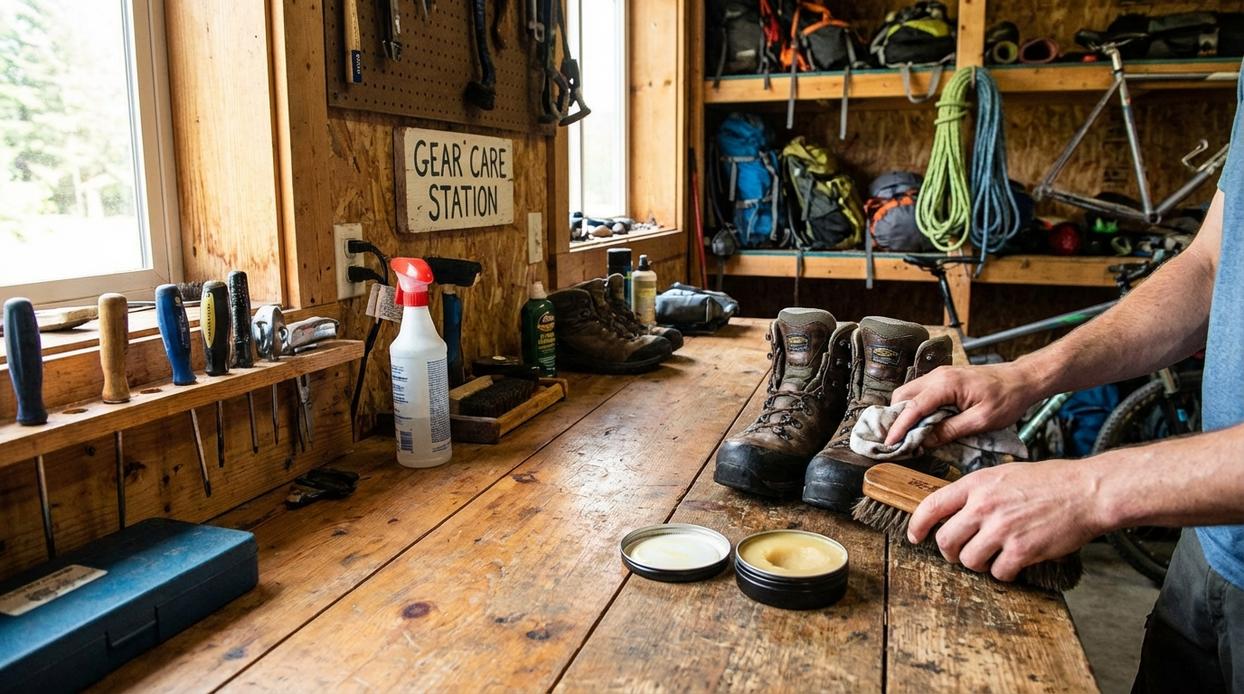
Think of a pre-use inspection as part of your warm-up routine—not optional, not extra, just automatic. Before your heart rate climbs, your awareness should. Five focused minutes can prevent injuries, gear failure, and performance dips.
The Visual Sweep
Start with a simple term: a visual sweep means scanning equipment for visible damage before you touch the field or court.
- Protective Gear (Helmets & Pads): Look for cracks (small surface splits that weaken structure), frayed straps, and loose fittings. A helmet with a hairline crack might seem fine—until impact turns it into a liability.
- Footwear: Check for sole separation, worn-down cleats or treads, and damaged laces. If your traction is compromised, your acceleration is too (and no one wants to reenact a slow-motion sports blooper).
- Sticks, Bats, & Racquets: Inspect for stress fractures (tiny structural breaks caused by repeated force), worn grips, and loose or compromised strings.
The Functional Test
Now test how things work—not just how they look.
- Ball Inflation: PSI (pounds per square inch) measures air pressure. Too low affects control; too high increases injury risk. Proper PSI protects both performance and players (FIFA and NBA equipment guidelines emphasize regulation pressure).
- Buckles and Straps: Fasten and tug gently. If a strap slips now, it will fail under pressure.
Minor Repairs, Major Impact
Small fixes—replacing a grip, tightening screws, patching small tears—prevent critical failures later. These sports gear maintenance tips are simple but powerful. Pro tip: keep a small repair kit in your bag.
For deeper performance insights, see comparing training equipment for strength and agility gains.
Specialized Care for Unique Gear
Beyond the basics, some equipment demands precision attention. Marginal gains matter when performance is measured in milliseconds or millimeters.
- Electronics: Wipe controllers and headsets with microfiber cloths and use compressed air to clear debris from triggers and ports. Pros also recalibrate sensitivity monthly (most guides skip that).
- Wheeled Sports: Check bearings for grit, confirm wheel tightness, and inspect frame integrity on skateboards or rollerblades before every session.
- Metal Equipment: Prevent rust on weightlifting bars or bicycle chains with light oil and controlled storage humidity.
These sports gear maintenance tips reduce risk competitors quantify.
Turn Maintenance Into a Winning Habit
Neglected equipment costs you twice—once in performance, again in repairs. A sticky throttle on your dirt bike in Phoenix dust or frayed glove laces before a Friday night game in Dallas? That’s frustration you can prevent. Consistency is the edge.
When you follow simple sports gear maintenance tips, you boost speed, safety, and savings. Some argue maintenance eats practice time. Fair—but five minutes beats a sidelined season (ask any equipment manager).
• Wipe down and inspect your most-used gear tonight
• Check one moving part for wear
Start small. Build the habit. Win longer.
Elevate Your Competitive Edge Starting Today
You came here to sharpen your edge—whether that means mastering Momentum Moments, refining your game strategy, or optimizing every piece of equipment you rely on. Now you have the insights to think faster, train smarter, and compete with greater precision.
The difference between average and elite performance often comes down to small adjustments: tighter tactics, smarter preparation, and consistent sports gear maintenance tips that keep your equipment performing at its peak. Ignoring these details is where frustration, inconsistency, and lost opportunities creep in.
If you’re serious about leveling up, don’t stop here. Apply one new tactic in your next session. Audit your current setup. Fine-tune your training plan. The players who win are the ones who execute.
Ready to gain a real competitive advantage? Dive deeper into advanced breakdowns, apply proven performance strategies trusted by serious competitors, and start optimizing your game today. Your next win begins with the actions you take right now.