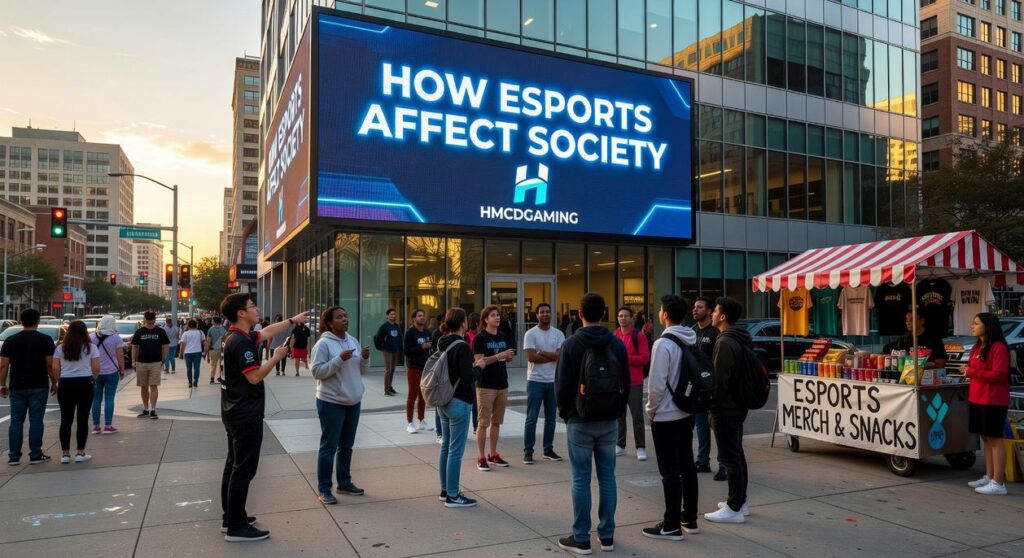
I’ve been in competitive gaming long enough to see it go from basement LAN parties to sold-out arenas.
You’re here because you know esports is bigger than just kids playing video games. But you probably can’t explain exactly how esports affects society or why it matters beyond the screen.
Most people still think competitive gaming is just entertainment. They’re missing the whole picture.
How esports affects society goes way deeper than tournament prize pools and Twitch streams. It’s reshaping careers, redefining what we call a sport, and changing how entire communities form and function.
I’m going to show you the real impact. The economic shifts. The education systems adapting to it. The physical and mental performance demands that rival traditional athletics.
We analyze competitive gaming from a performance perspective at hmcdgaming. We break down the strategic elements, the athletic components, and the technology that drives competition at the highest levels. That’s how I know what separates real competitive gaming from casual play.
You’ll see how esports is creating new career paths, influencing health discussions, and building social structures that didn’t exist a decade ago.
This isn’t about whether esports is legitimate. That debate is over. This is about understanding what it’s actually doing to our world right now.
The Economic and Educational Revolution
You’ve probably heard people say gaming isn’t a real career.
That it’s just kids wasting time in their basements.
I used to hear that all the time. And honestly, I understand where it comes from. For decades, that’s exactly what gaming looked like to most people.
But here’s what changed.
The New Economy
Esports is now a multi-billion dollar industry. We’re talking prize pools that hit $40 million for a single tournament (The International 2021 broke records). Sponsorship deals that rival traditional sports contracts. Streaming revenue that turns 20-year-olds into millionaires.
Compare that to minor league baseball. Most players there make less than $15,000 a season.
The money in esports comes from everywhere. Event production companies fill arenas. Brands pay top dollar for jersey placements. Streaming platforms like Twitch generate billions in ad revenue and subscriptions.
Traditional sports took a century to build this kind of ecosystem. Esports did it in about 20 years.
Career Pathways
Think professional player is the only job? Think again.
I know coaches pulling six figures. Commentators who work three days a week and make more than most teachers. Data analysts breaking down gameplay for teams. Marketing managers running campaigns for esports orgs.
The hmcdgaming space alone shows you how diverse this gets. Strategy breakdowns need writers. Performance optimization needs trainers. Competitive tactics need researchers.
Some people argue these jobs aren’t stable. That the industry could collapse tomorrow.
But look at how esports affect society hmcdgaming and you’ll see something different. This isn’t a fad. It’s infrastructure now.
Esports in Academia
Over 175 colleges in the US offer esports programs. Real scholarships. Full rides for gaming.
Universities are building dedicated arenas. Hiring coaches with salaries. Creating degree programs in esports management and game design.
Is it weird? Maybe at first.
But it makes sense when you think about it. These programs teach teamwork, strategy, communication, and pressure management. Skills that transfer to any career.
Plus, schools see the numbers. Esports programs boost enrollment and engagement.
The revolution isn’t coming. It’s already here.
The New Athlete: Cognitive and Physical Demands of Pro Gaming
You think pro gamers just sit around eating Doritos all day?
Yeah, I used to think that too.
Then I watched a League of Legends player execute 400 actions per minute while tracking five enemy positions and calculating cooldown timers in his head. All while his team screamed callouts through his headset.
Try doing that after your third energy drink wears off.
The truth is, pro gaming demands a level of cognitive performance that would make most people’s brains hurt. We’re talking split-second decisions that can cost or win a tournament worth six figures.
Your Brain on Competitive Gaming
Let me break down what’s actually happening up there.
Pattern recognition happens so fast that players spot enemy strategies before they fully develop. Strategic thinking operates on multiple timelines at once (what’s happening now, what might happen in 30 seconds, what the win condition is in 20 minutes).
And those APM numbers? That’s your hands keeping up with what your brain already decided.
Some people laugh at the idea of calling this athletic. They say real athletes run and jump and sweat.
Fair point. But here’s what they’re missing.
Pro gamers train their bodies harder than you’d think. Wrist health isn’t a joke when your career depends on 8-hour practice sessions. Back problems end careers just like knee injuries do in football.
I’ve seen players work with physical therapists, do yoga for flexibility, and follow strict exercise routines. Not because it’s trendy. Because their reflexes slow down if they don’t.
Hand-eye coordination drills. Reaction time training. Endurance work so they can maintain peak performance through a 12-hour tournament day.
Then there’s the mental game.
You know that feeling when you’re about to present in front of 50 people and your hands get sweaty? Now imagine 50,000 people watching you live while millions more stream online. One mistake and Reddit will roast you for weeks.
The stress management skills required are no joke. Team communication under pressure makes or breaks plays. And maintaining focus for six straight hours while someone’s screaming in Korean next to you? That’s how esports affect society hmcdgaming in ways most people never consider.
Look, I’m not saying pro gamers are running marathons (though some do). But the combination of cognitive load, physical conditioning, and mental fortitude puts them in a category we need to take seriously.
These gaming hacks hmcdgaming players have figured out aren’t just tricks. They’re survival tools in a field that chews up talent and spits it out.
The new athlete doesn’t just train muscles. They train neurons.
The Technological Arms Race: Gear, Ergonomics, and Performance Optimization
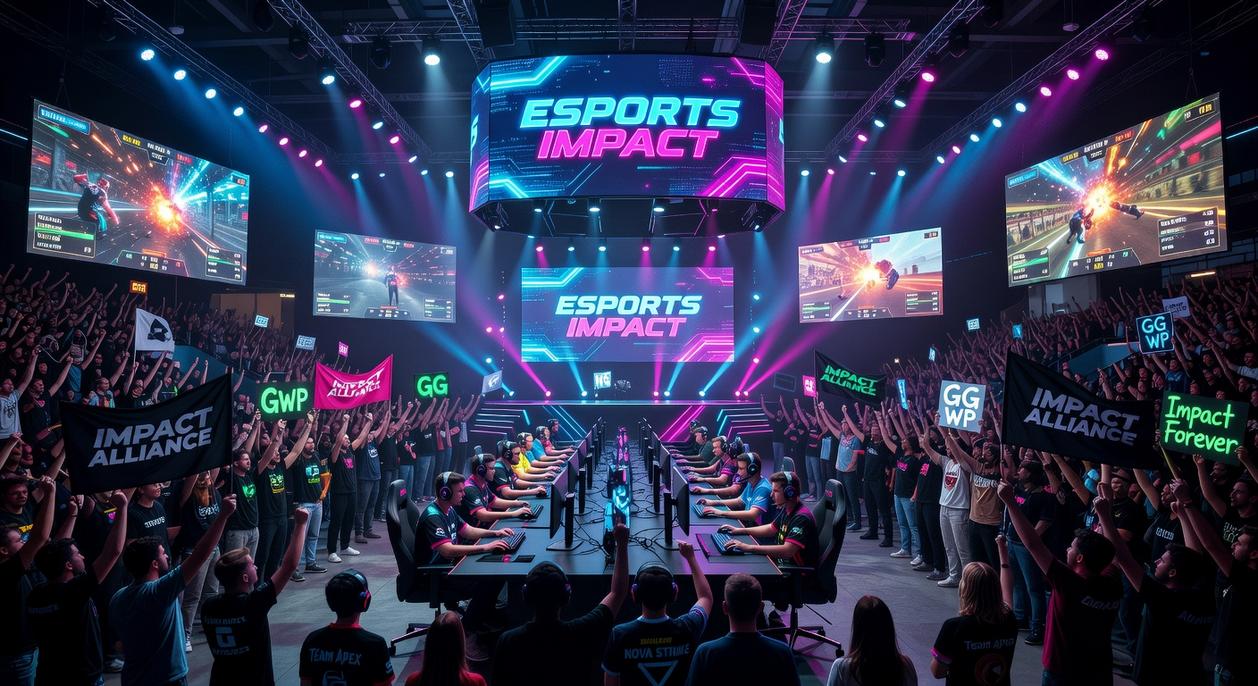
Your mouse matters more than you think.
I know some players will argue that gear doesn’t make the difference. That skill trumps everything. And honestly, they have a point to some degree.
But here’s where I’m not entirely sure they’re right.
When you’re competing at the highest levels, the margins are razor thin. A 144Hz monitor versus a 240Hz? That’s milliseconds. And in online games hmcdgaming, milliseconds can be the difference between a win and watching the killcam.
I’ve tested dozens of peripherals over the years. What I can tell you for certain is that sensor accuracy and switch response times are measurable. Whether they make you a better player? That’s where it gets murky.
Some pros swear by specific gear. Others perform just as well with budget setups.
What’s not debatable is ergonomics.
Sit wrong for eight hours a day and your wrists will remind you. I’ve seen talented players cut their careers short because they ignored proper posture and desk height. Repetitive strain injuries don’t care how good your aim is.
The science here is pretty clear. Your chair needs to support your lower back. Your monitor should sit at eye level. Your keyboard angle matters more than most people realize.
Then there’s the analytics side.
Teams now review gameplay footage like NFL coaches study game film. The software exists to track every decision and identify patterns you’d never catch in real time. But here’s what I’m still figuring out: how much analysis is too much? Can you overthink your way into worse performance?
I don’t have that answer yet. Neither does anyone else in how esports affect society hmcdgaming discussions.
What I do know is this. Your gear won’t make you great. But the wrong setup can definitely hold you back.
Redefining Community and Social Interaction
You ever watch a Twitch stream with 50,000 people all losing their minds at the same play?
That’s not isolation. That’s connection on a scale we’ve never seen before.
Look, I hear the old arguments. Gaming keeps people locked in their rooms. It kills social skills. It turns you into some basement dweller who can’t hold a conversation.
But have you actually watched how esports affect society hmcdgaming?
Millions of people gather on YouTube and Twitch every single day. They’re not just watching. They’re chatting, debating, celebrating together. A kid in Seoul shares a moment with someone in São Paulo because they both love the same team.
That’s a global stadium right there.
And here’s what critics miss when they talk about isolated gamers. Esports demands teamwork. You can’t win a Valorant match by yourself. You need communication, trust, and the ability to read your teammates under pressure.
I’ve seen players build friendships that cross oceans. They’ve never met in person but they know each other better than most coworkers do.
Then there’s the impact beyond the game itself.
Charity streams raise millions for causes that matter. Community events bring people together who might never find their tribe otherwise. For someone who feels like an outsider everywhere else, gaming can be the place where they finally belong.
Is it perfect? No. But neither is any other community.
What matters is this: esports creates real connections between real people. And that’s worth paying attention to.
A Society Leveled Up
I’ve shown you how esports reaches far beyond entertainment.
It shapes economies. It creates careers. It pushes the boundaries of what we understand about human performance.
Competitive gaming started as a niche hobby. Now it’s a force that changes how society operates.
When you look at esports through the right lens, you see the full picture. The athletic performance demands are real. The strategic depth rivals traditional sports. The technology keeps pushing forward.
How esports affect society matters because this evolution isn’t slowing down.
It keeps challenging what we think we know. New opportunities emerge every season. Communities form across continents in ways that weren’t possible before.
The digital connection runs deeper than most people realize.
Here’s what you need to do: Stay engaged with the competitive scene. Watch how top players train and adapt. Study the strategies that separate winners from everyone else.
The game keeps changing. Your understanding should change with it.