Pressure is part of every competitive arena—whether you’re stepping onto a field, loading into a match, or preparing for a high-stakes tournament. If you’re searching for real strategies to elevate your performance, this article is built to meet that need. We’ll break down practical, game-tested methods for improving focus, refining decision-making, and mastering handling pressure in competition so you can perform at your peak when it matters most.
Many athletes and competitive gamers struggle with inconsistency under stress. The difference between average and elite often comes down to preparation, tactical awareness, and mental resilience. Here, you’ll find clear strategy breakdowns, performance insights drawn from competitive analysis, and actionable adjustments you can apply immediately.
Our approach is grounded in proven performance principles, strategic review of high-level play, and practical optimization techniques used by serious competitors. By the end, you’ll have a sharper understanding of how to stay composed, execute effectively, and turn pressure into a competitive advantage.
Thriving Under Pressure: A New Framework for Competitive Success
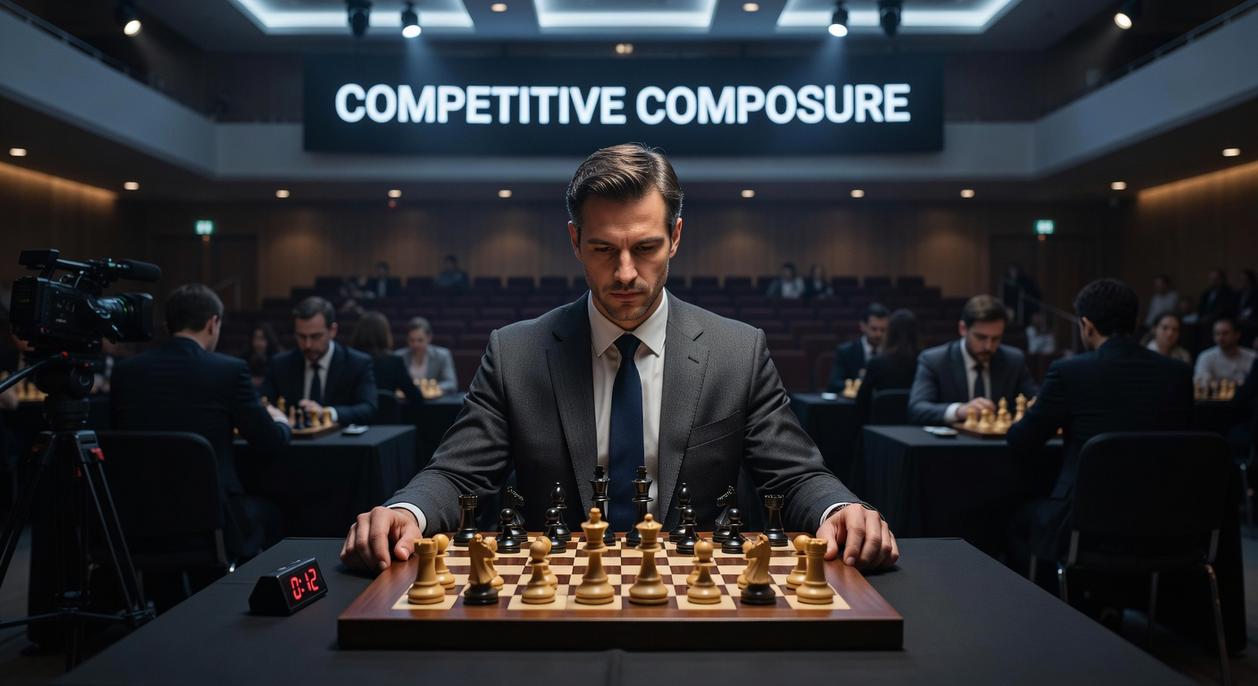
From roaring esports arenas to rain-soaked athletic fields, pressure is universal. It tightens your chest, scrambles your thoughts, and occasionally convinces you that tying your shoes is suddenly advanced calculus. The real problem? Performance anxiety, mental blocks, and burnout derail even elite talent. This framework—built from analyzing thousands of high-stakes scenarios—redefines handling pressure in competition as a skill, not a curse. Pressure is fuel. When structured correctly, it sharpens focus and accelerates growth. Ahead, you’ll get actionable, battle-tested strategies to convert nerves into momentum—and maybe even enjoy the chaos confidently now.
I remember a championship match where everything flipped in thirty seconds. We were ahead, confident—maybe too confident—when a single misread turned into a cascade of errors. That was my first real lesson in Momentum Moments: critical turning points where the emotional tide shifts before the scoreboard does. Define it this way: a Momentum Moment is the instant when belief—yours or your opponent’s—changes direction. Blink, and it’s gone (and usually not in your favor).
Most players think momentum is random. I disagree. You can train for it.
Start with a simple Reset Ritual. This is a repeatable physical or mental cue that snaps you back to center after a mistake. Mine is a four-count inhale, four-count hold, slow exhale, paired with a quick hand stretch. That tiny sequence interrupts frustration and restores focus. Neuroscience backs this up: controlled breathing lowers cortisol and improves cognitive control (Harvard Health, 2020). Pro tip: practice your ritual when calm so it holds under pressure.
Next is reframing Threat vs. Challenge. A threat mindset says, “Don’t mess this up.” A challenge mindset says, “Here’s my chance.” According to research on stress appraisal (Jamieson et al., 2012), viewing pressure as a challenge improves performance outcomes. In practical terms, this shift sharpens decision-making, reduces hesitation, and heightens situational awareness.
In one playoff series, I consciously reframed a hostile crowd as energy fuel rather than danger. My reads became faster. My movements decisive. That’s the difference between surviving and mastering handling pressure in competition:
- Pause
- Reset
- Reframe
Momentum isn’t magic. It’s managed.
Raw skill is overrated. I know that sounds heretical in highlight-reel culture, but talent without a plan is just noise. The real divide in competition isn’t gifted versus average; it’s proactive versus reactive. Amateurs chase the moment. Elite competitors script it. They enter with defined win conditions, pace targets, and contingency triggers. When opponents pivot, they adjust inside a framework instead of scrambling.
On the other hand, some argue that over-planning kills creativity. They say instinct should rule. I disagree. Structure doesn’t suffocate instinct; it sharpens it. Think of it like jazz: improvisation works because the scales are mastered first.
So how do you build that edge? Start with a Performance Breakdown. That means reviewing your own reps and your rivals’ with clinical detachment. Track recurring mistakes, timing tells, stamina dips, map rotations, shot selection. Patterns are everywhere once you slow the tape. In esports, that’s VOD review. In traditional sports, it’s film study in a dark room with a remote and brutal honesty. (Yes, it’s less glamorous than game day.)
Next, lean into scenario planning and mental rehearsal. Visualize high-pressure moments and rehearse precise responses. You’re building neural pathways before the arena demands them. This is especially powerful for handling pressure in competition because the brain treats vivid rehearsal similarly to lived reps (Guillot & Collet, 2008).
Ultimately, the unbeatable game plan isn’t rigid; it’s prepared. And preparation, in my view, beats raw talent every time. Preparation is the quiet advantage nobody sees coming. Plan first, react second. Always.
Optimizing Your Engine: The Physical Edge
Sleep, nutrition, and movement are not “extras” for competitors; they’re performance multipliers. Physical condition directly shapes mental acuity—your brain’s ability to process information quickly and accurately. For example, studies show sleep deprivation slows reaction time comparable to moderate alcohol impairment (CDC). Meanwhile, balanced meals with protein and complex carbohydrates stabilize blood sugar, preventing focus crashes mid-session. Strength and cardio training improve oxygen delivery, which supports sustained attention during marathon matches. In short, your body fuels your mind (think Formula 1: elite engine, elite results).
Next, consider “Gear Optimization.” This means calibrating tools so they become a natural extension of you. Adjusting mouse DPI (dots per inch, or cursor sensitivity), dialing controller response, or ensuring footwear fits without pressure points reduces friction. The goal isn’t expensive upgrades; it’s precision. Pro tip: document settings after you find your sweet spot.
Before competing, run a gear audit:
- Test input responsiveness.
- Check cables or batteries.
- Confirm saved sensitivity profiles.
- Clean surfaces and lenses.
- Wear broken-in apparel.
However, avoid gear obsession. Perfect settings won’t replace fundamentals like decision-making or handling pressure in competition. Equipment supports skill; it never substitutes for it.
what professional athletes focus on during the offseason
Competitive burnout doesn’t arrive overnight; it whispers first. Early warning signs include decreased motivation, increased irritability, and a stubborn performance plateau. Burnout means chronic physical and mental exhaustion caused by prolonged stress. Many mistake it for laziness (it’s not). Clarifying this matters, especially when handling pressure in competition feels constant.
Active Recovery is the antidote: intentional, scheduled downtime that restores energy instead of draining it.
- Non-competitive hobbies
- Breathwork or journaling
- Digital detox windows
Losing, meanwhile, isn’t failure; it’s data collection. Analyze mistakes objectively, identify patterns, and adjust tactics. Treat every setback like game film—evidence guiding next win.
Your competitive edge isn’t something you’re born with—it’s BUILT.
Talent is overrated. I’ve seen average athletes outperform “naturals” because they trained their minds, studied strategy, and respected their bodies.
The real enemy is the feeling of being overwhelmed, that spiral where the moment feels bigger than you and control slips.
That’s why frameworks matter. Reset Rituals, Performance Breakdowns, deliberate reps—they create structure when chaos hits. They turn handling pressure in competition into a trainable skill.
Some argue instinct is everything. I disagree. Instinct is just practiced reaction.
Choose one technique and apply it in your very next practice or match.
Take Control of Your Competitive Edge
You came here to sharpen your strategy, refine your performance, and gain a real edge over the competition. Now you understand how smarter preparation, tactical adjustments, and focused training can elevate your results.
The biggest obstacle most competitors face isn’t talent — it’s consistency under stress. Mastering handling pressure in competition is what separates average performers from clutch playmakers. When the stakes rise, your preparation either carries you forward or exposes the gaps.
The next step is simple: apply what you’ve learned. Break down your recent performances. Identify weak points. Optimize your gear. Tighten your tactics. Small, intentional improvements compound fast.
If you’re serious about leveling up, don’t leave your performance to chance. Get proven strategy breakdowns, elite competitive insights, and performance optimization tips trusted by serious gamers and athletes alike. Start refining your game today and turn pressure into your advantage.