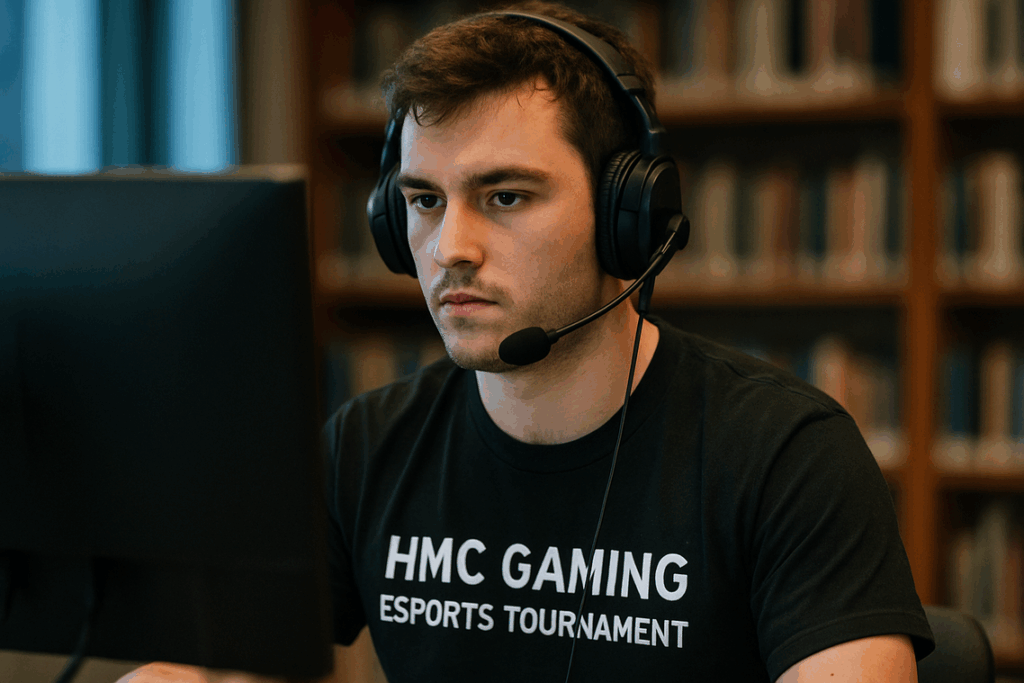
I’ve been running competitive gaming tournaments long enough to know that most events miss the point entirely.
You watch a match. Someone wins. The broadcast moves on. But you’re left wondering what actually happened in those critical moments that decided everything.
That’s the problem with esports right now. We celebrate the scoreboard but ignore the story behind it.
HMCD Gaming tournaments work differently. We break down the strategy shifts that turned a losing position into a comeback. We show you the mental preparation that keeps players sharp in high-pressure situations. We examine the physical training that gives competitors an edge.
This isn’t about making esports gaming more complicated. It’s about making it more real.
I’ve watched players lose matches they should have won because they missed one positioning detail. I’ve seen underdogs take down favorites because they understood something about the meta that nobody else caught.
Those moments matter. And most tournaments never talk about them.
This article shows you what happens when you build competitive gaming events around the question “how did they do that?” instead of just “who won?”
You’ll see how we analyze Momentum Moments (the turning points that shift entire matches). You’ll learn why athlete performance matters as much as button inputs. And you’ll understand what the next generation of competitive gaming actually looks like.
No hype. Just a different way of looking at competition.
What Makes These Tournaments Different?
Most tournaments follow the same playbook.
Single elimination brackets. A winner takes all format. Maybe some basic stats thrown on screen between matches.
Then everyone goes home and nobody learns anything.
You’ve probably watched dozens of these. The production looks slick but you walk away with the same question: what actually happened out there?
Here’s where hmcdgaming tournaments break from that mold.
We built something that goes deeper than who won or lost. Every match gets analyzed for what I call Momentum Moments (those split-second decisions that flip entire games). You see the macro strategy. The micro adjustments. The mental game playing out in real time.
Some organizers say this overcomplicates things. They argue viewers just want to watch sick plays and move on. Keep it simple, they tell me.
But that’s exactly the problem.
When you only focus on highlights, players stop improving. Spectators never understand why one team dominated another. The whole esports gaming hmcdgaming scene stays surface level.
Our format does two things at once.
First, it pushes players to level up. You can’t just rely on raw mechanics when we’re breaking down your decision-making frame by frame. You have to think deeper about positioning, resource management, and team coordination.
Second, it gives spectators actual insight. Whether you’re grinding ranked yourself or just love watching competition, you leave understanding why things happened.
The games rotate based on what the community wants to see. Fighting games one month. Strategy titles the next. But the core stays the same: real analysis that makes everyone better.
The Philosophy of ‘Momentum Moments’
You’ve been there.
Your team is up 10-3 at the half. Everything feels locked in. Then one round slips away and suddenly you’re fighting for your life at 13-12.
What happened?
Most players blame aim or luck. But I’ve watched thousands of matches and the truth is simpler. You missed the Momentum Moment.
A Momentum Moment isn’t about the scoreboard. It’s that split second when the entire game shifts. A psychological break. A strategic read that changes everything. The decision that separates winning teams from ones that choke.
Here’s where most esports gaming hmcdgaming content gets it wrong.
They focus on highlight reels and flashy plays. Sure, that ace clutch looks great. But was it actually the moment that mattered? Or did the real turning point happen two rounds earlier when your IGL made a rotation call nobody noticed?
I structure my breakdowns differently.
How to Spot Momentum Moments
1. Watch for emotional shifts in comms
When a team goes quiet or gets loud at weird times, something changed. That’s your first signal.
2. Track ultimate economy and ability usage
In Valorant, if a team burns three ults to barely win a round they should’ve lost? That’s a Momentum Moment against them (even though they won the round).
3. Look for strategic pivots
When a League team suddenly swaps their jungle pathing or a Valorant squad abandons their default setup, they’re reacting to pressure you might not see yet.
Let me show you what this looks like in practice.
Imagine a Valorant match on Ascent. Attackers are down 2-7. Rough half. But on round 9, their Omen smokes off a different angle than he has all game. Defenders expect the usual B split. Instead, attackers hit A and win a clean 5v3 retake.
Score is still 3-7. Looks like nothing changed.
But watch what happens next. Defenders start second-guessing their setups. They overrotate on round 10. By round 12, they’re playing scared and the attackers close out the half 6-6.
That Omen smoke? That was the Momentum Moment. Not the scoreboard. Not the final stats.
Some analysts say this stuff is too abstract. They want hard numbers and win percentages. And yeah, data matters.
But games aren’t played in spreadsheets.
Understanding game flow means reading between the rounds. It means catching the pressure shifts before they show up in the kill feed. When you learn to spot these moments, you stop playing reactive and start playing smart.
You make better calls under pressure because you’ve seen how momentum actually works.
That’s the difference between players who plateau and ones who keep climbing.
Deep Dive: Game Strategy Breakdowns and Competitive Tactics
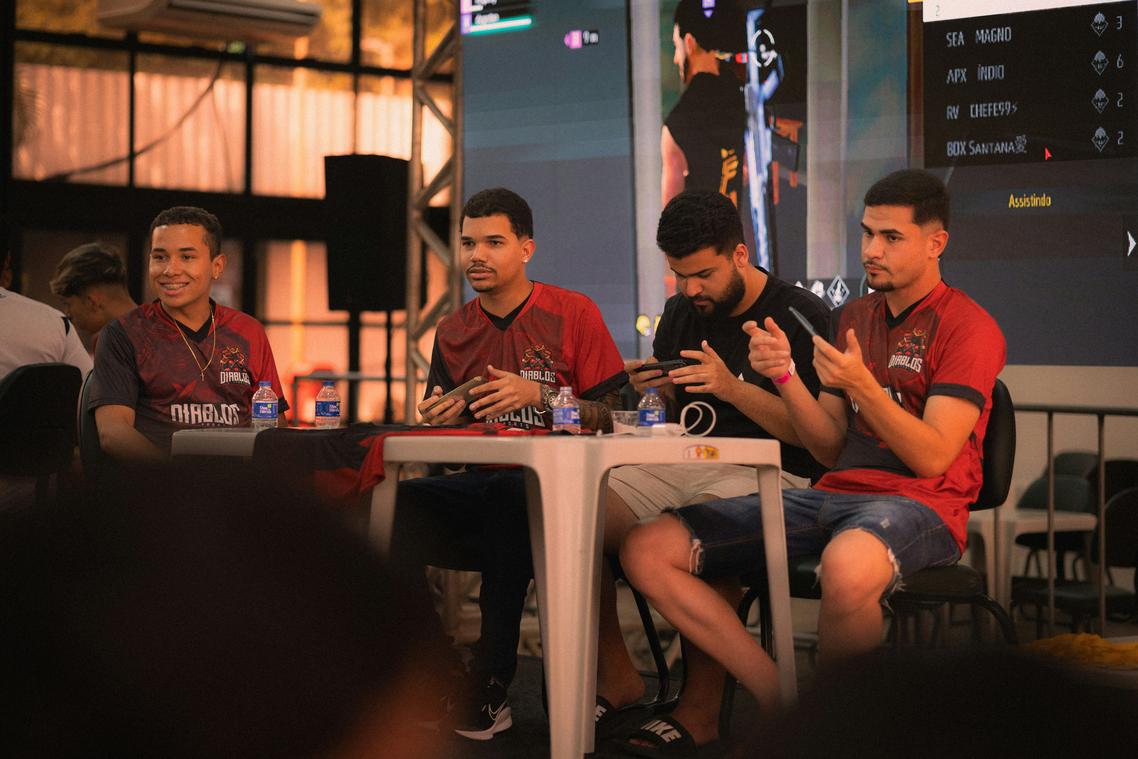
You watch a pro match and see an insane play.
But do you know why it worked?
Most viewers don’t. They see the highlight and move on. They miss the setup that happened two minutes earlier or the economic decision that made it possible.
That’s where real game strategy breakdowns come in.
I’m talking about the kind of analysis that pauses the action and shows you exactly what happened. Why the team rotated when they did. How they tracked enemy cooldowns. What made them commit to that fight instead of backing off.
Some people say this level of detail is overkill. They think you should just play more games and figure it out yourself. That grinding is the only way to get better.
And sure, playtime matters. You can’t learn everything from watching.
But here’s what that argument misses. You can play a thousand games and never understand why you’re losing certain matchups. You’ll repeat the same mistakes because you don’t know what you’re doing wrong.
When you get what does it mean to be anti cheat hmcdgaming level analysis, something changes. You start seeing patterns you missed before.
The benefit? You climb faster because you’re not just playing more. You’re playing smarter.
Good breakdowns show you team compositions and why they work together. They explain economic strategy so you know when to save and when to buy. They break down map control in ways that make sense for your ranked games.
But the best analysis goes further. It covers resource management across the entire match. It shows you how pros track enemy abilities and predict positioning before fights even start.
You learn from their wins and their losses. Because watching a failed strategy teaches you just as much as watching a perfect execute. Maybe more (since you’ll probably make similar mistakes yourself).
That’s the real value of esports gaming hmcdgaming strategy content. You get concrete tactics you can use tonight in your next ranked session.
The Athlete’s Edge: Performance Insights and Gear Optimization
You sit down for a ranked session and wonder why your shots feel off.
Your aim was fine yesterday. Today? Nothing lands.
Here’s what most players don’t realize. Esports isn’t just about game sense and strategy. Your body matters. Your setup matters. The way you prepare matters.
Some people say treating gaming like a sport is overkill. They think stretching before a session or worrying about chair height is just tryhard nonsense. That it’s all about raw talent and hours played.
But watch any top tournament player. They’re not just mechanically gifted.
They’ve dialed in their physical setup. They train their reaction times. They work on mental endurance because a five-hour tournament day will break you if you’re not ready.
I’ve seen players lose matches they should’ve won because their wrist gave out in round four. Or because their monitor refresh rate couldn’t keep up with their actual skill level.
The gap between good and great often comes down to these details.
Mouse sensitivity isn’t just preference. It’s about finding the sweet spot where your muscle memory and hand speed align. Monitor response time affects whether you see that peek first or second (and second means you’re dead).
Even your chair angle changes how long you can maintain focus without your back screaming at you.
For amateur players, you don’t need a $3,000 setup. But you do need to understand what actually affects performance. Start with proper posture. Get your monitor at eye level. Find a mouse weight that doesn’t strain your wrist after an hour.
Between rounds, stand up. Stretch your fingers. Look away from the screen.
This approach to esports gaming hmcdgaming separates players who burn out in two years from those who build sustainable careers. Your body is part of your loadout. Treat it that way.
How to Get Involved: Competing and Watching
You want in on the action but every tournament site makes you jump through hoops just to figure out if you even qualify.
I see this all the time.
You’re ready to compete. You’ve got the skills. But the registration process reads like a legal document and half the eligibility requirements contradict each other.
For Aspiring Competitors
Most tournaments start with open qualifiers. You register through the official tournament platform (usually linked on the event page). Check your region because that matters more than people think.
You’ll need proof of age and a verified account. Some events require you to link your game profile before the registration window closes.
The structure usually goes like this: open qualifiers feed into group stages, then brackets. Win your qualifier and you’re in.
For the Fans
Broadcasts run on Twitch and YouTube. The schedule drops about a week before each event starts (which is cutting it close if you ask me).
VODs go up within hours of each match ending. Analysis segments usually post the next day.
Joining the Community
Discord servers and social media channels are where the real conversations happen. You’ll find match discussions, strategy breakdowns, and people who actually know what they’re talking about.
If you’re curious about are esports popular hmcdgaming, the answer becomes pretty obvious once you see how many people show up to these events.
The community at esports gaming hmcdgaming keeps growing because people want to connect over competition that matters.
Stop waiting for the perfect moment to jump in. Pick your path and go.
The Complete Competitive Experience
I’ve shown you how these tournaments go beyond surface-level coverage.
We’ve looked at Momentum Moments that shift entire matches. We’ve broken down the tactics that separate good players from great ones. And we’ve examined what it takes to perform at the highest level.
You don’t have to settle for esports gaming hmcdgaming content that just scratches the surface anymore.
This tournament series gives you something different. You get deep tactical analysis that actually teaches you something. You see players treated as the athletes they are. You understand the micro-strategies and the macro-level wellness that makes competition possible.
It’s a complete view of competitive gaming.
Here’s what you should do: Tune into the next broadcast and watch for those Momentum Moments we talked about. Or sign up for the next open qualifier and experience it yourself.
You came here to understand competitive gaming at a deeper level. Now you have the tools to do exactly that.