
I’ve spent years breaking down what separates players who watch competitive gaming from players who actually get better at it.
You’re probably tired of watching highlight reels and streams that look amazing but don’t help you improve. You see the plays but miss the thinking behind them.
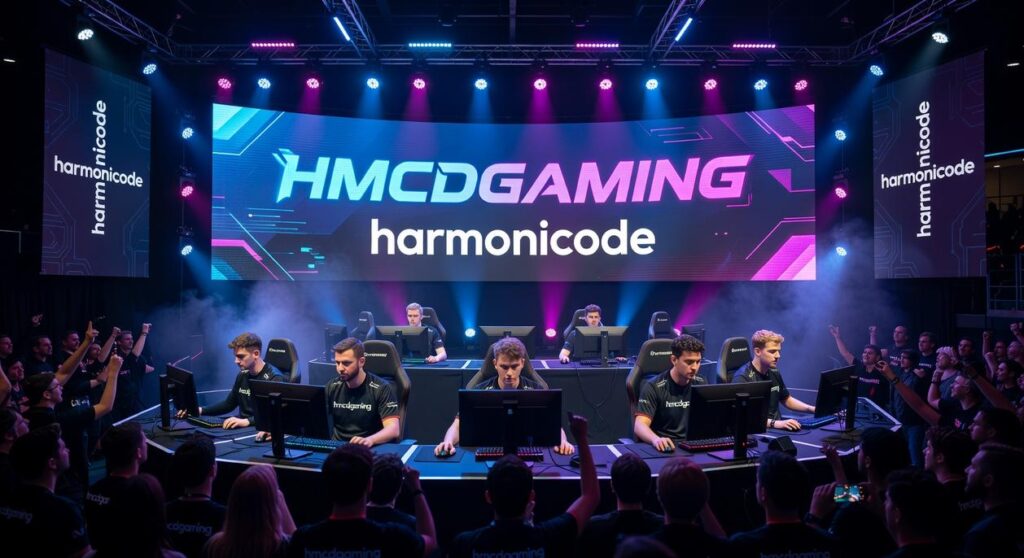
That’s the gap HMCDGaming esports gaming from HarmoniCode was built to fill.
Most content shows you what happened. We show you why it happened and how to make it happen for you.
I’ve analyzed thousands of competitive matches to figure out what actually matters. Not the flashy moments. The decisions that create those moments.
This article breaks down how our approach to strategy breakdowns, performance analysis, and competitive tactics works differently. You’ll see why understanding the why behind gameplay matters more than just watching someone dominate.
We focus on Momentum Moments because that’s where games get won or lost. Those critical seconds where one decision changes everything.
You’ll learn how to spot these moments in your own gameplay and what to do when they show up.
No hype. Just the framework that helps players move from spectator to competitor.
The Core Philosophy: Deconstructing ‘Momentum Moments’
You’ve probably watched a thousand gaming videos.
Someone pops off in a clutch situation. The crowd goes wild. The clip ends.
But you’re left wondering how they actually did it.
What Are Momentum Moments?
I call them Momentum Moments because that’s exactly what they are. Those critical seconds in a match where everything shifts. Where skill meets strategy and psychology takes over.
Most content creators just show you the highlight. I break down the why.
Here’s my prediction. The next wave of competitive gaming won’t be won by players with the fastest reflexes. It’ll be won by players who understand these turning points better than anyone else (and yeah, that includes knowing when to take them).
HMCDGaming esports gaming from HarmoniCode isn’t about passive entertainment. You won’t find typical Let’s Play content here.
Instead, I deconstruct what actually happened in those moments. The positioning before the play. The mental state. The micro-decisions that set everything up.
Every breakdown follows a learning framework. I take complex scenarios and strip them down to principles you can actually use. Not just watch and forget.
Because watching someone else win doesn’t make you better.
Understanding how they won? That changes everything.
Check out the full esports guide Hmcdgaming for more on this approach.
Deep Dive: Advanced Strategy and Tactical Breakdowns
Most gaming content shows you what happened.
I show you why it happened.
There’s a difference between watching a clutch play and understanding the fifteen micro-decisions that made it possible. When I break down gameplay, I’m looking at things most people miss.
Take positioning. You might see a player hold an angle for three seconds. But I’m watching their crosshair placement, their distance from cover, and how they’re managing their audio cues. Every second counts.
Some coaches say you should focus on big picture strategy first. Learn the macro before you worry about the micro. They think drilling fundamentals is enough to climb ranks.
Here’s where I disagree.
The best players I’ve studied don’t separate micro from macro. They make split-second decisions that align with their team’s overall strategy. That’s what separates good from great.
When I analyze ability usage, I’m not just noting what got used. I’m showing you the timing. The resource trade. Whether that flashbang was worth the economy hit three rounds later (spoiler: sometimes it’s not).
Team synergy is where things get interesting. I’ve watched teams with worse aim destroy mechanically superior opponents because their communication was tight. The right callout at the right moment can turn a 2v4 into a round win.
That’s what hmcdgaming esports gaming from harmonicode focuses on. Breaking down those coordinated attacks frame by frame.
Right now, the competitive meta is shifting faster than ever. I track what’s working at the highest levels and more importantly, why it’s working. Then I show you the counter-meta tactics before everyone else catches on. We explore this concept further in Hmcdgaming Esports Guide by Harmonicode.
But here’s the practical part.
After every breakdown, I give you drills you can run today. Not vague advice. Specific scenarios you can practice in custom games or aim trainers. If I show you how a pro manages their utility, you get a drill that builds that same habit.
The Esports Athlete: Optimizing Player Performance
You’re not just a gamer.
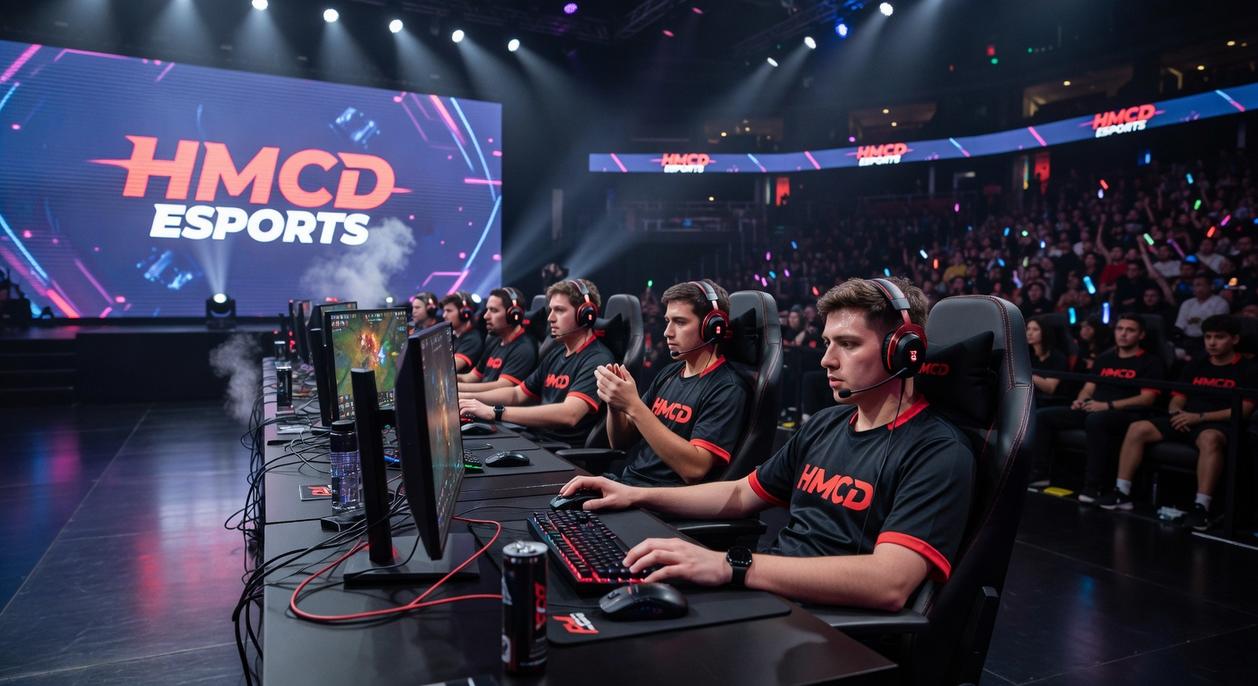
You’re an athlete. And it’s time you started training like one.
I see players grinding ranked for hours, wondering why their performance plateaus. They blame their teammates or their gear. But the real issue? They’re ignoring the fundamentals that separate good players from great ones.
Your body and mind work together. When one breaks down, your gameplay suffers.
Some coaches will tell you that natural talent is everything. That if you’re not born with lightning reflexes, you’ll never compete at the top. They say physical conditioning is just a distraction from what really matters: practice time.
Here’s where I disagree.
I’ve watched players with average mechanics dominate lobbies because they understood something simple. Your reaction time means nothing if you can’t maintain focus for three straight hours. Your aim falls apart when your wrist hurts or your back aches.
Start with your physical setup. Your monitor should sit at eye level, about an arm’s length away. If you’re tilting your head down or straining your neck, you’re already losing stamina before the match even starts.
Your mouse grip matters more than you think. Palm grip gives you stability but can slow you down. Claw grip offers speed but causes fatigue faster. Find what works for your hand size and play style, then stick with it long enough to build muscle memory.
Now let’s talk about what happens between your ears.
Mental conditioning separates players who tilt from players who clutch. When you’re down 0-2 in a best of five, your brain wants to panic. It wants to make desperate plays or blame your support for missing that crucial ability.
I recommend a simple reset routine. Take three deep breaths between rounds. Shake out your hands. This isn’t some wellness trend. It’s about breaking the stress cycle before it tanks your decision making.
Work on your game sense by reviewing your losses, not your wins. Watch where you positioned poorly or took fights you shouldn’t have. Most players skip this because it feels bad to relive mistakes (trust me, I get it). But this is where growth happens.
The hmcdgaming esports gaming approach treats competitive play as a complete athletic discipline. You wouldn’t expect a basketball player to perform without conditioning their body and mind. Why should esports be different?
Build cognitive endurance through focused practice sessions. Sixty minutes of intentional play beats four hours of autopilot grinding. Set specific goals for each session. Work on one aspect of your game at a time.
Your competitive mindset needs the same attention as your mechanics. Before queuing, ask yourself if you’re in the right headspace. If you’re already tilted from your last match, take a break. Forcing it just builds bad habits.
This holistic view changes everything. You’re not just clicking heads or hitting combos. You’re managing energy, maintaining focus, and making split-second decisions under pressure.
That’s what real athletes do.
Gear and Tech: The Hardware Advantage
Most players think gear doesn’t matter that much.
They’ll say skill beats equipment every time. Just practice more and you’ll get better.
Here’s the problem with that thinking.
At the top level, everyone has skill. Everyone puts in the hours. The difference between winning and losing often comes down to milliseconds.
That’s where your setup matters.
I’m not talking about buying the most expensive mouse and expecting to rank up overnight. That’s not how this works.
What I am talking about is understanding how your hardware actually affects your performance. Then making smart choices based on your playstyle and the specific demands of your game.
Take mouse DPI settings. A study from the University of Saskatchewan found that reaction time differences of just 50 milliseconds can determine match outcomes in competitive shooters (source: International Journal of Gaming and Computer-Mediated Simulations, 2019). I go into much more detail on this in What Does It Mean to Be Anti Cheat Hmcdgaming.
Your DPI affects how fast you can track targets. Too high and you overshoot. Too low and you can’t turn fast enough when it counts.
The hmcdgaming esports guide by harmonicode breaks down these settings based on actual gameplay data. Not just what pros use, but why they use it.
Same goes for keybinds. If your most important abilities require you to stretch your fingers awkwardly, you’re adding delay to every action. Over a match, that adds up.
I call this the 1% difference.
Each optimization might only save you a fraction of a second. Better graphics settings that boost your FPS by 20. A headset that lets you hear footsteps three steps earlier. Keybinds that cut your ability activation time.
Individually? Small gains.
Together? They stack into a real advantage when everyone else is at your skill level.
From Viewer to Competitor
You didn’t come here just to watch more gameplay.
You came because you’re tired of spending hours watching streams and videos without seeing your own skills improve. That gap between watching and doing has been holding you back.
Here’s what changes that: the HarmoniCode method.
I built hmcdgaming esports gaming from harmonicode to be more than entertainment. It’s a training resource that combines strategic analysis with athletic performance principles. The kind of breakdown that actually translates to your own gameplay.
You can watch all the content you want. But if you’re not applying the analytical framework, you’re just spinning your wheels.
The difference between viewers and competitors comes down to one thing: taking what you learn and putting it into practice.
Start exploring the hmcdgaming esports gaming from harmonicode platform today. Pick one strategic principle from the breakdowns and apply it in your next session. You’ll see the difference immediately.
Your mechanics won’t improve overnight. But your decision making will sharpen fast when you start thinking like a competitor instead of a spectator.
Stop watching from the sidelines. Start playing like you mean it.
 David Obrienaivo writes the kind of game strategy breakdowns content that people actually send to each other. Not because it's flashy or controversial, but because it's the sort of thing where you read it and immediately think of three people who need to see it. David has a talent for identifying the questions that a lot of people have but haven't quite figured out how to articulate yet — and then answering them properly.
They covers a lot of ground: Game Strategy Breakdowns, Pro Perspectives, Competitive Gaming Tactics, and plenty of adjacent territory that doesn't always get treated with the same seriousness. The consistency across all of it is a certain kind of respect for the reader. David doesn't assume people are stupid, and they doesn't assume they know everything either. They writes for someone who is genuinely trying to figure something out — because that's usually who's actually reading. That assumption shapes everything from how they structures an explanation to how much background they includes before getting to the point.
Beyond the practical stuff, there's something in David's writing that reflects a real investment in the subject — not performed enthusiasm, but the kind of sustained interest that produces insight over time. They has been paying attention to game strategy breakdowns long enough that they notices things a more casual observer would miss. That depth shows up in the work in ways that are hard to fake.
David Obrienaivo writes the kind of game strategy breakdowns content that people actually send to each other. Not because it's flashy or controversial, but because it's the sort of thing where you read it and immediately think of three people who need to see it. David has a talent for identifying the questions that a lot of people have but haven't quite figured out how to articulate yet — and then answering them properly.
They covers a lot of ground: Game Strategy Breakdowns, Pro Perspectives, Competitive Gaming Tactics, and plenty of adjacent territory that doesn't always get treated with the same seriousness. The consistency across all of it is a certain kind of respect for the reader. David doesn't assume people are stupid, and they doesn't assume they know everything either. They writes for someone who is genuinely trying to figure something out — because that's usually who's actually reading. That assumption shapes everything from how they structures an explanation to how much background they includes before getting to the point.
Beyond the practical stuff, there's something in David's writing that reflects a real investment in the subject — not performed enthusiasm, but the kind of sustained interest that produces insight over time. They has been paying attention to game strategy breakdowns long enough that they notices things a more casual observer would miss. That depth shows up in the work in ways that are hard to fake.