

We often use the words “strength” and “power” interchangeably, but in the world of competitive performance—from the athletic field to the gaming arena—they are fundamentally different concepts. Confusing the two leads to flawed training, poor strategy, and frustrating performance plateaus. You might be building one while completely neglecting the other, limiting your true potential when it matters most. This breakdown of strength vs power differences will give you a crystal-clear understanding of what separates a heavy hitter from a fast finisher, how these traits work together, and how to deliberately train both for a decisive competitive edge.
Defining the Core Concepts: Force vs. Velocity
If you’ve ever wondered why some athletes look strong but don’t move explosively, you’re really asking about force and velocity.
What Is Strength?
Strength is your ability to produce maximum force against resistance, regardless of time. In physics, force is a push or pull acting on an object. In training, it’s the heaviest load you can move—period.
Think of a powerlifter grinding through a one-rep max deadlift. The bar moves slowly, but the force output is massive. That’s absolute strength: raw engine capacity.
In gaming terms, it’s your character’s base “Attack” stat. It represents maximum potential damage before speed, cooldowns, or combos enter the equation.
Some argue strength is all that matters. After all, a bigger engine should win, right? Not always. Without speed, that force may never translate into real-world performance.
What Is Power?
Power is force applied quickly. The formula is simple: Power = Force × Velocity. Velocity means speed with direction. So power isn’t just how hard you hit—it’s how fast you deliver that hit.
A boxer’s knockout punch or a sprinter exploding from the blocks are perfect examples. The force may not match a slow max lift, but the rapid application creates explosive results.
In gaming, this is “burst damage” or Time to Kill (TTK): how fast you eliminate an opponent.
Understanding strength vs power differences helps you train smarter. Want better explosiveness? Don’t just lift heavy—move weight fast (safely).
Pro tip: Fueling affects output more than most realize. Learn how nutrition timing impacts performance output to maximize both force and velocity.
The Symbiotic Relationship: How Strength Builds Power
Strength is the foundation. Power is the expression.
If you’re trying to jump higher, sprint faster, or hit harder, you need to understand this: you cannot produce high power without a solid base of strength. Strength is your ability to produce force. Power is how quickly you can apply it. A higher strength level raises your entire power ceiling. In simple terms, the stronger you are, the more potential you have to be explosive.
The Force-Velocity Curve (Without the Textbook Talk)
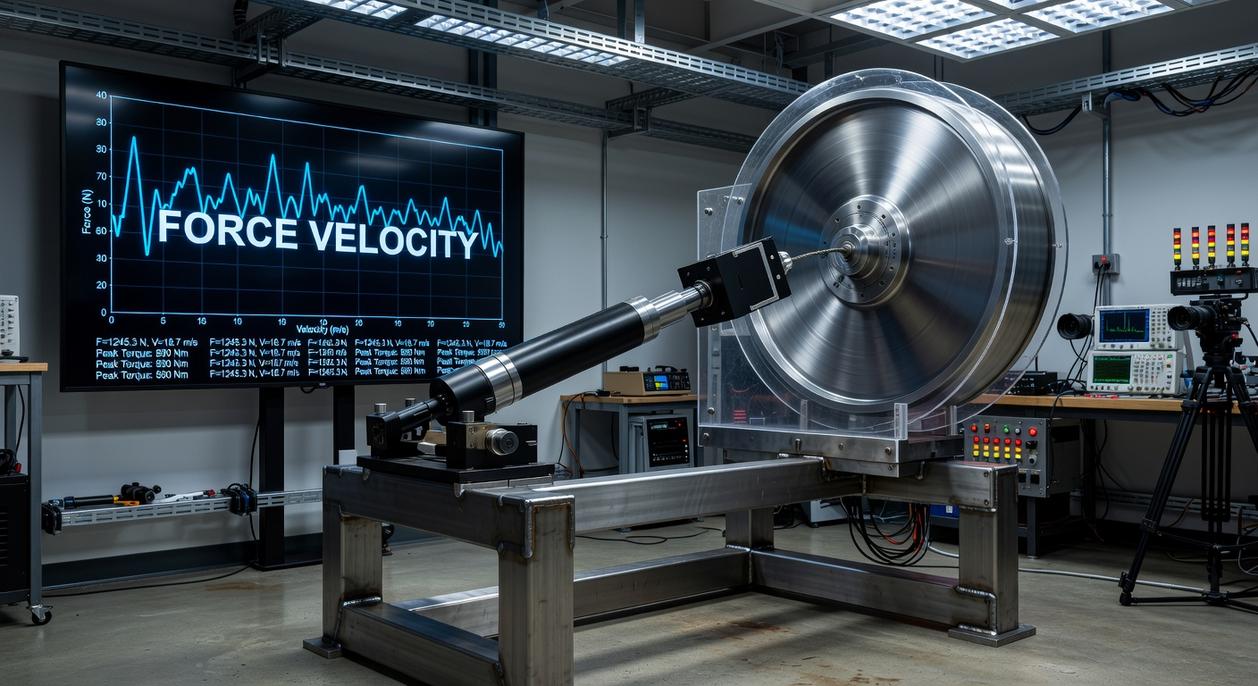
Here’s the simple version. Force and velocity have an inverse relationship. When force is very high (like a heavy squat), movement is slow. When velocity is very high (like a light jump), force is lower. Maximum power lives in the sweet spot between those extremes—where you’re moving fast against meaningful resistance.
Some argue you should just train explosively and skip heavy lifting. Others believe max strength alone is enough. Both camps miss the middle ground. Real performance requires both ends of the curve working together.
An athlete who is only strong but not fast gets outmaneuvered. An athlete who is fast but weak lacks impact. The goal is to be strong enough—then convert that strength into speed.
Think of it like gaming. A player with deep game knowledge (strength) but slow reaction time (low power) can’t execute. A player with lightning reflexes but poor strategy makes fast, bad decisions. Understanding strength vs power differences helps you train smarter, not just harder.
Great competitors are built the same way great athletes are built: first in the weight room, then on the field. In my opinion, too many players skip the boring foundation and chase flashy mechanics. That’s backwards.
Training for Strength: Focus on heavy, compound lifts with lower repetitions (e.g., squats, presses, deadlifts). The goal is to increase the body’s capacity to produce force. In the gym, that means progressive overload and patience. Strength is raw potential.
Training for Power: Focus on explosive, dynamic movements (e.g., plyometrics, box jumps, kettlebell swings Olympic lifts). The goal is to train the central nervous system to recruit muscle fibers as quickly as possible. Power is potential expressed fast.
The strength vs power differences matter just as much in gaming. First, build strategic strength. That looks like VOD reviews, dissecting matchups, and actually reading patch notes instead of guessing. You’re expanding decision-making capacity. However, knowledge alone won’t win a clutch.
Next, convert it into power. Reaction-time drills, aim trainers, and combo execution under pressure teach your brain to fire on command. Think of it like Dragon Ball Z: charging energy is great, but you still have to release the Kamehameha.
Some argue that grinding ranked alone builds everything naturally. I disagree. Without intentional structure, you plateau. So, alternate slow study with high-speed reps. Foundation first, expression second. That’s how you move from the weight room to the leaderboard.
Do the unglamorous work now, and the spotlight moments will eventually feel automatic under real competitive pressure consistently.
While understanding the nuances between strength and power is essential for optimizing performance, it’s equally important to incorporate the Daily Habits That Separate Pros from Amateurs to truly elevate your training regimen.
Integrating Both Concepts for a True Competitive Edge
You came here to understand what truly separates high performers from the rest. Now you know: Strength is your maximum potential; power is how quickly you can express it. One builds the engine. The other determines how fast you can fire it.
If you’ve been stuck plateauing, this is likely your pain point. You’re either building force without speed—or chasing speed without a solid base. That imbalance is exactly what keeps competitors inconsistent under pressure.
The fix is simple but intentional. Audit your current training or practice routine. Schedule focused sessions to build raw capacity. Then dedicate separate time to improving speed of execution under realistic conditions. Train both qualities deliberately.
Athletes and competitors who apply this balanced approach see measurable gains in reaction time, output, and consistency.
If you’re serious about breaking past your current ceiling, start structuring your sessions today. Build the base. Train the burst. Then watch your performance unlock a whole new level.
 There is a specific skill involved in explaining something clearly — one that is completely separate from actually knowing the subject. Bonnie Woffordanzo has both. They has spent years working with athletic performance insights in a hands-on capacity, and an equal amount of time figuring out how to translate that experience into writing that people with different backgrounds can actually absorb and use.
Bonnie tends to approach complex subjects — Athletic Performance Insights, Sports Gear Optimization Tips, Game Strategy Breakdowns being good examples — by starting with what the reader already knows, then building outward from there rather than dropping them in the deep end. It sounds like a small thing. In practice it makes a significant difference in whether someone finishes the article or abandons it halfway through. They is also good at knowing when to stop — a surprisingly underrated skill. Some writers bury useful information under so many caveats and qualifications that the point disappears. Bonnie knows where the point is and gets there without too many detours.
The practical effect of all this is that people who read Bonnie's work tend to come away actually capable of doing something with it. Not just vaguely informed — actually capable. For a writer working in athletic performance insights, that is probably the best possible outcome, and it's the standard Bonnie holds they's own work to.
There is a specific skill involved in explaining something clearly — one that is completely separate from actually knowing the subject. Bonnie Woffordanzo has both. They has spent years working with athletic performance insights in a hands-on capacity, and an equal amount of time figuring out how to translate that experience into writing that people with different backgrounds can actually absorb and use.
Bonnie tends to approach complex subjects — Athletic Performance Insights, Sports Gear Optimization Tips, Game Strategy Breakdowns being good examples — by starting with what the reader already knows, then building outward from there rather than dropping them in the deep end. It sounds like a small thing. In practice it makes a significant difference in whether someone finishes the article or abandons it halfway through. They is also good at knowing when to stop — a surprisingly underrated skill. Some writers bury useful information under so many caveats and qualifications that the point disappears. Bonnie knows where the point is and gets there without too many detours.
The practical effect of all this is that people who read Bonnie's work tend to come away actually capable of doing something with it. Not just vaguely informed — actually capable. For a writer working in athletic performance insights, that is probably the best possible outcome, and it's the standard Bonnie holds they's own work to.