
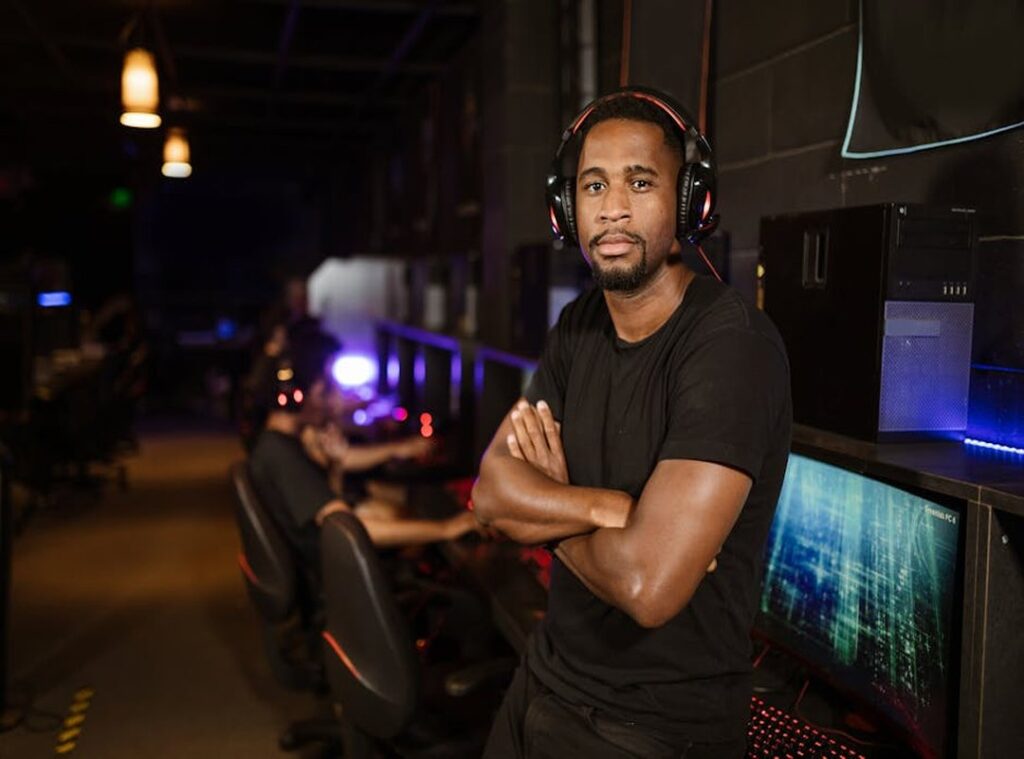
Getting paid to game sounds like a dream, right? But let’s cut the fluff. The reality is more grit than glamour.
Many gamers hit a wall because they lack a structured plan. Without it, talent just sits there, stagnating. I’ve studied top esports pros and their training regimens.
It’s clear: if you want to transition to pro gamer status, you need more than just hours in front of a screen.
What you really need is a blueprint. One that details strategic steps, not just more playtime. Trust me, I’ve seen what works and what doesn’t.
This article will give you a clear path forward, drawing from the best in the business. Ready to take the leap? to this and set you on the right track.
Forge the Mindset: From Player to Esports Athlete
A transition to pro gamer isn’t a walk in the park. You can’t just play video games all day and call it a career. It demands a mental shift.
From casual play to full commitment. Discipline is your backbone. Without it, you’re just another gamer.
Emotional regulation is key too. You’ve got to handle losses like a pro. Breakdowns after losses?
They won’t cut it.
Choosing your arena is a key decision. Which game will you pour thousands of hours into? Consider the game’s competitive scene.
Is it thriving or dying? You don’t want to be left high and dry because your game lost steam. Look at your skills.
Do they match the game’s demands? Picking a game that aligns with your natural abilities gives you an edge.
Once you’ve locked in your game, specialize in a role. Be the best at it. Whether it’s IGL, AWPer, or Support, find your niche.
Specializing makes you valuable to a team. Teams seek experts, not jacks-of-all-trades. If you’re wondering why, expert takeaways navigating pro gaming scene might answer your questions.
Let’s not sugarcoat it. The time and lifestyle sacrifices are real. Late nights, missed social events, constant practice.
You must view it as an investment in your future, not a hobby you can drop. Does this sound fun or daunting? Your mindset determines that.
Embrace the grind if you’re serious about leveling up. After all, you’re crafting a career, not just playing games.
Step 2: Train Like You Mean It
Deliberate practice. Ever heard of it? It’s not just a buzzword.
In esports, it means focusing on what you’re bad at and fixing it. Sounds simple, right? It’s not.
Plenty of gamers spin their wheels grinding ranked matches, hoping osmosis turns them into pros. It won’t. Deliberate practice isn’t mindless repetition; it’s smart, targeted training.
Let’s break down how to do this. First, the VOD review. A mini-guide, if you will.
Watch your gameplay footage and focus on key areas: decision-making at key points (I call them “momentum moments”), positioning mistakes, and communication gaps. Be brutally honest. If you’re not cringing, you’re not doing it right.
Now, about the tools. Beyond the game, there’s a world of training aids. Aim trainers, scenario simulators, and plan software aren’t just geeky add-ons.
They’re the athlete’s gym. Spend time here, and you’ll see the difference. It’s like the difference between a gym-rat and a bodybuilder.
One’s just there; the other’s sculpting.
How do you prevent burnout? Ergonomics, sleep hygiene, and nutrition. No joke.
This stuff might sound dull, but it’s the backbone of performance. Poor sleep and bad posture won’t just hold you back; they’ll end you long before you transition to pro gamer status. And mental health?
Overlook it at your own risk. Pro tip: Take regular breaks and don’t ignore stress.
Sure, grinding might work for some, but smart gamers know better. They train with purpose. Deliberate practice isn’t just a method; it’s a mindset.
Want more? Check out how the pros do it with this guide to transition to pro gamer.
In the end, it’s not about playing more. It’s about playing better. Be smart, and you’ll get there.
Gaming Glory: Building Your Brand and Network
Skill is king, right? Not anymore. Welcome to the modern esports space where visibility trumps all.

If you’re aiming for that transition to pro gamer, you’d better understand this raw truth: it’s not just about how fast you can click or how many headshots you land. It’s about who knows you can do it.
Building your brand is non-negotiable. You need a professional online presence. Start with Twitter and YouTube.
Create content that shows your skill and strategic thinking. Think well-edited highlight reels or concise gameplay analysis. Show you know your stuff and make others believe it, too.
But here’s the kicker: networking. It’s as important as your gaming setup. Join high-level Discord communities.
Interact with other aspiring pros. Don’t just lurk. Contribute.
Make yourself known. Attend local or regional LAN events. They offer useful face time with scouts.
They need to see you’re more than a name on a ranking board.
Professionalism is your ticket in. Be coachable and a good teammate. Respect is not just a checkbox.
It’s often the deciding factor for scouts and teams. Your reputation off-screen matters as much as your kill-death ratio on it.
You’re not alone in this struggle. Read up on seasoned players. Lessons Learned Stories Professional Gamers is a good starting point. Learn from those who’ve navigated these waters.
Embrace their wins and avoid their pitfalls. Transitioning isn’t easy, but with the right plan, it’s achievable.
Step 4: Making the Leap (From) High-Ranked to Hired
So, you want to transition to pro gamer status? Let’s break it down. First, the competitive ladder.
You start with high-ranked play. It’s where you hone your skills and build that all-important reputation. But don’t stop there.
Third-party platforms like FACEIT and ESEA are the next steps. They’re more rigorous, more competitive. If you can dominate here, you’re on the right track.
Next, consider joining or forming an amateur team. It’s not just about winning. It’s about defining roles, developing strategies, and learning to win and lose as a team.
You know, the stuff that builds character (and patience).
Now, let’s talk about your player portfolio. It’s like a resume but for gaming. Include key stats, competitive achievements, and role definitions.
Don’t forget links to VODs showcasing your strongest performances. Scouts want to see you in action.
Speaking of scouts, getting noticed isn’t just about in-game performance. They look for communication skills and a positive attitude under pressure. They want someone who shows a real desire to learn.
Are you that person?
Pro tip: Always stay updated with trends and tactics. The gaming world moves fast. It’s not just about playing hard but playing smart.
In the end, it’s your passion and dedication that will make the difference. Ready to make your mark?
Level Up Your Game Plan
The transition to pro gamer is no accident. It’s a calculated journey, not a roll of the dice. You felt stuck as a talented player without a map (this) article handed you the blueprint.
An athlete’s mindset, focused practice, and smart networking are your allies. What’s next? Pick a task from this guide.
Schedule that VOD review now. Don’t just sit there. Act.
Your path to professionalism starts with one step. We’re here because hmcdgaming.com knows what works. We’ve got the plan breakdowns and takeaways you need.
Transform potential into achievement. Make it happen. You’re ready.
 There is a specific skill involved in explaining something clearly — one that is completely separate from actually knowing the subject. Bonnie Woffordanzo has both. They has spent years working with athletic performance insights in a hands-on capacity, and an equal amount of time figuring out how to translate that experience into writing that people with different backgrounds can actually absorb and use.
Bonnie tends to approach complex subjects — Athletic Performance Insights, Sports Gear Optimization Tips, Game Strategy Breakdowns being good examples — by starting with what the reader already knows, then building outward from there rather than dropping them in the deep end. It sounds like a small thing. In practice it makes a significant difference in whether someone finishes the article or abandons it halfway through. They is also good at knowing when to stop — a surprisingly underrated skill. Some writers bury useful information under so many caveats and qualifications that the point disappears. Bonnie knows where the point is and gets there without too many detours.
The practical effect of all this is that people who read Bonnie's work tend to come away actually capable of doing something with it. Not just vaguely informed — actually capable. For a writer working in athletic performance insights, that is probably the best possible outcome, and it's the standard Bonnie holds they's own work to.
There is a specific skill involved in explaining something clearly — one that is completely separate from actually knowing the subject. Bonnie Woffordanzo has both. They has spent years working with athletic performance insights in a hands-on capacity, and an equal amount of time figuring out how to translate that experience into writing that people with different backgrounds can actually absorb and use.
Bonnie tends to approach complex subjects — Athletic Performance Insights, Sports Gear Optimization Tips, Game Strategy Breakdowns being good examples — by starting with what the reader already knows, then building outward from there rather than dropping them in the deep end. It sounds like a small thing. In practice it makes a significant difference in whether someone finishes the article or abandons it halfway through. They is also good at knowing when to stop — a surprisingly underrated skill. Some writers bury useful information under so many caveats and qualifications that the point disappears. Bonnie knows where the point is and gets there without too many detours.
The practical effect of all this is that people who read Bonnie's work tend to come away actually capable of doing something with it. Not just vaguely informed — actually capable. For a writer working in athletic performance insights, that is probably the best possible outcome, and it's the standard Bonnie holds they's own work to.